




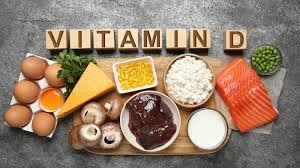
Vitamin D plays a crucial role in maintaining bone health, immune function, and overall well-being. Despite Dubai’s sunny climate, vitamin D deficiency Dubai is surprisingly common due to lifestyle factors, limited sun exposure, and dietary habits. Functional medicine approaches, guided by experienced functional medicine doctors Dubai, can help identify, treat, and prevent deficiency.
This article explores the symptoms, health risks, causes, and management strategies for vitamin D deficiency in Dubai.
Understanding Vitamin D and Its Importance
What Is Vitamin D?
Vitamin D is a fat-soluble vitamin that helps the body absorb calcium and phosphorus, essential for strong bones. It also supports immune health, mood regulation, and muscle function.
Sources of Vitamin D
- Sunlight: Skin produces vitamin D when exposed to UVB rays
- Dietary Sources: Fatty fish (salmon, mackerel), fortified dairy, eggs, and mushrooms
- Supplements: Recommended for individuals with low sun exposure or dietary insufficiency
Common Causes of Vitamin D Deficiency in Dubai
Limited Sun Exposure
Despite abundant sunshine, many people in Dubai spend most of their time indoors due to work, air-conditioned environments, or hot weather.
Cultural and Clothing Practices
Clothing that covers most of the skin can reduce UVB exposure, limiting natural vitamin D production.
Dietary Habits
Low intake of vitamin D-rich foods contributes to deficiency, especially in populations following vegetarian or restrictive diets.
Medical Conditions
Certain conditions affect vitamin D absorption, such as:
- Chronic kidney or liver disease
- Gastrointestinal disorders (celiac disease, Crohn’s disease)
Age and Obesity
Older adults and individuals with higher body fat may have reduced bioavailability of vitamin D.
Symptoms of Vitamin D Deficiency
Mild or Early Symptoms
- Fatigue and low energy
- Muscle weakness
- Mild joint or bone discomfort
- Frequent mood changes or low mood
Advanced Symptoms
- Bone pain or tenderness
- Muscle cramps or spasms
- Increased risk of fractures
- Delayed wound healing
- Hair loss (in severe cases)
Health Risks Associated with Vitamin D Deficiency
1. Bone and Muscle Disorders
Vitamin D deficiency can lead to:
- Osteomalacia: Softening of bones in adults
- Osteoporosis: Reduced bone density, increasing fracture risk
- Muscle weakness, balance issues, and fall risk
2. Immune System Impairment
Low vitamin D levels reduce the immune system’s ability to fight infections, increasing susceptibility to colds, flu, and chronic illnesses.
3. Cardiovascular Health Risks
Deficiency may be linked to:
- Hypertension
- Increased risk of heart disease
- Higher chances of stroke
4. Metabolic and Endocrine Issues
- Vitamin D deficiency is associated with insulin resistance and type 2 diabetes risk.
- May contribute to obesity and metabolic syndrome.
5. Mental Health Implications
- Low vitamin D levels are linked to depression, mood swings, and cognitive decline.
Diagnosis and Functional Medicine Approach in Dubai
Testing for Vitamin D Levels
A blood test measuring 25-hydroxyvitamin D is the standard diagnostic method. Functional medicine doctors in Dubai may also assess related markers, including calcium, phosphorus, and parathyroid hormone levels.
Functional Medicine Perspective
Functional medicine emphasizes:
- Identifying underlying causes (e.g., poor absorption, lifestyle factors)
- Personalized treatment plans combining diet, supplementation, and lifestyle changes
- Holistic management, including stress reduction, exercise, and optimal sun exposure
Managing Vitamin D Deficiency
1. Sun Exposure
- Aim for 10–30 minutes of direct sun exposure 2–3 times per week
- Expose arms, legs, or face while taking care to avoid sunburn
2. Dietary Adjustments
Include vitamin D-rich foods in daily meals:
- Fatty fish like salmon and sardines
- Fortified milk, yogurt, and cereals
- Eggs and mushrooms
3. Vitamin D Supplements
- Recommended for individuals with low levels, limited sun exposure, or dietary restrictions
- Dosage should be guided by a functional medicine doctor Dubai to avoid toxicity
4. Lifestyle Modifications
- Maintain a healthy weight to improve vitamin D metabolism
- Engage in regular physical activity to support bone health
- Monitor and manage coexisting conditions affecting vitamin D absorption
Prevention of Vitamin D Deficiency
- Regular sunlight exposure while practicing sun safety
- Balanced diet including vitamin D-rich foods
- Routine blood tests for high-risk individuals, especially the elderly and indoor workers
- Early intervention with supplements as recommended by a healthcare provider
FAQs About Vitamin D Deficiency Dubai
Can I get enough vitamin D in Dubai despite the sun?
Yes, but lifestyle factors like indoor work, clothing, and sunscreen use may limit natural vitamin D synthesis, making supplements necessary for some individuals.
How often should I check my vitamin D levels?
Typically, a test once a year is sufficient, but more frequent monitoring is advised for high-risk individuals or those on supplements.
Can vitamin D deficiency cause fatigue?
Yes, fatigue is a common early symptom due to reduced oxygen transport and muscle weakness.
Are supplements safe for everyone?
Supplements are generally safe but should be taken under medical supervision to prevent toxicity, especially in individuals with kidney or liver conditions.
Can a functional medicine doctor in Dubai help with vitamin D deficiency?
Yes, functional medicine doctors provide personalized assessment, testing, and treatment plans to correct deficiencies and address underlying causes holistically.
Conclusion
Vitamin D deficiency in Dubai is a common yet often overlooked health concern. Awareness of symptoms and health risks, combined with regular monitoring, proper diet, sun exposure, and supplementation under the guidance of a functional medicine Dubai, can prevent complications and support overall health. By adopting preventive strategies and holistic care approaches, individuals can maintain optimal vitamin D levels, strengthen immunity, and enhance quality of life in Dubai.














Facebook Conversations
Disqus Conversations