




The Significance of Locking Plates in Modern Facial Fracture Fixation
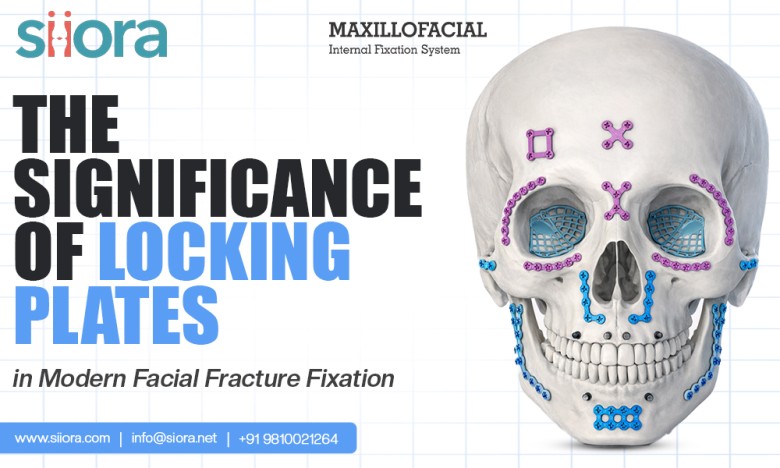
Facial fractures are commonly seen in trauma cases, often resulting from road accidents, sports injuries, falls, or physical assault. Because the facial skeleton supports both function and appearance, treating these fractures requires careful planning. Surgeons aim not only to stabilize the broken bone but also to restore normal facial symmetry, jaw movement, and overall aesthetics. Over the years, treatment methods have evolved, and one advancement that has made a real difference is the use of locking maxillofacial plates.
What Are Locking Plates?
Locking plates are specialized fixation devices used to stabilize fractured bones. Unlike traditional plates, where screws compress the plate against the bone, locking plates work differently. The screws lock directly into the plate itself, creating a stable, fixed-angle structure. This design forms a rigid framework that holds the fractured segments in the desired position.
In facial fracture surgery, this system provides reliable stability even when the bone fragments are small or the bone quality is not ideal.
Why Locking Plates Matter in Facial Fracture Treatment?
One of the main reasons locking plates have become popular in maxillofacial surgery is the stability they provide. Facial bones are often thin and delicate, especially in areas like the orbit or the midface. Traditional plating sometimes requires significant pressure between the plate and bone, which may disturb the blood supply. Locking plates reduce this issue because they do not rely heavily on plate-to-bone compression.
By maintaining stability without excessive pressure, locking plates help preserve the natural blood supply around the fracture site. This supports better healing and reduces the risk of complications.
Advantages for Surgeons and Patients
Locking plate systems offer several practical advantages during surgery. First, they allow surgeons to achieve secure fixation even when working with small or fragile bone fragments. The fixed-angle nature of the screws helps maintain alignment once the fracture has been reduced.
Another advantage is reduced risk of screw loosening. Since the screws are locked into the plate, they are less likely to back out over time. This is particularly helpful in areas that experience regular movement, such as the jaw.
From a patient’s perspective, stable fixation often means earlier return of function. Patients may be able to begin gentle jaw movement sooner, which helps with recovery and daily activities like speaking and eating.
Applications in Different Facial Regions
Locking plates are now widely used in various types of facial fracture repairs. They are commonly applied in fractures of the mandible, midface, zygomatic complex, and orbital region. In complex injuries involving multiple fracture lines, the stability provided by locking systems can make reconstruction more predictable.
Because of their design, these plates can also be helpful in cases where bone quality is compromised, such as in elderly patients or individuals with previous trauma.
Conclusion
Locking plates have become an important part of modern facial fracture management. Their design offers improved stability, protects blood supply to the bone, and supports reliable healing. For surgeons, they provide greater confidence during fixation, especially in delicate facial structures. As surgical techniques and orthopaedic implant technology continue to improve, locking plate systems will likely remain a key tool in achieving both functional and aesthetic recovery for patients with facial fractures.













Facebook Conversations
Disqus Conversations