




Surgical clamps are indispensable tools in the operating room, playing a crucial role in a wide range of medical procedures. Their primary function is to control bleeding by occluding blood vessels, but they also serve to grasp and hold tissue, sutures, and other materials securely. Understanding the different types of surgical clamps is fundamental for surgeons, students, and healthcare professionals who demand precision and reliability. The design of each clamp is tailored for specific applications, ensuring optimal performance and patient safety during critical moments.
The Fundamental Purpose of Surgical Clamps
At their core, surgical clamps are designed to provide hemostasis—the stoppage of bleeding. During an operation, even minor blood vessels can obscure the surgical field and lead to significant blood loss if not managed effectively. Clamps allow a surgeon to temporarily block a vessel with minimal trauma to the surrounding tissue. Beyond hemostasis, these instruments are used for grasping tissues, such as fascia or organs, allowing for better exposure and manipulation within the surgical site. The specific design of a clamp's jaws, whether toothed or serrated, straight or curved, determines its suitability for a particular task.
Materials and Manufacturing Standards
The quality of a clamps vascular is directly tied to the materials used in its construction. The vast majority are made from high-grade stainless steel, which offers an excellent combination of strength, durability, and corrosion resistance. This material can withstand the rigorous sterilization processes, like autoclaving, required to prevent surgical site infections. Some clamps may feature tungsten carbide inserts on their jaws. This addition provides a much harder, more durable gripping surface that maintains its integrity longer than stainless steel alone, ensuring a firm and reliable hold for years.
Exploring Common Hemostatic Clamps
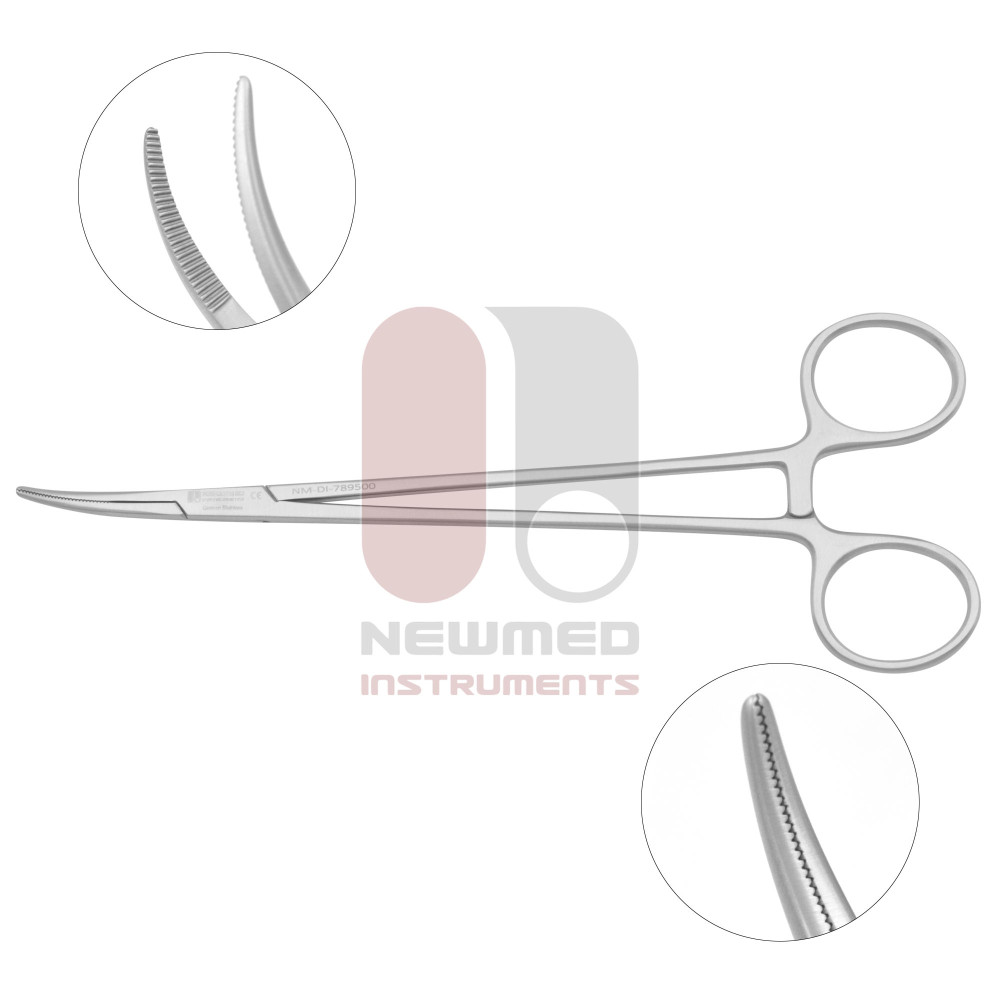
Among the most frequently used instruments are hemostatic forceps, often referred to simply as hemostats. Within this category, several distinct designs exist. Kelly and Crile clamps are two of the most recognizable. While similar in appearance with their ring handles and locking ratchets, the key difference lies in their serrations. Kelly clamps have serrations that run partially down the jaw, whereas Crile clamps feature serrations along the entire length, offering a more comprehensive grip. Mosquito clamps, like the Halsted Mosquito Forceps, are much smaller and more delicate, designed for fine, intricate procedures and controlling bleeding from small vessels. These essential tools are a staple when discussing the various types of surgical clamps.
Specialized Clamps for Specific Procedures
Beyond general-use hemostats, a vast array of specialized clamps exists for particular surgical fields. For example, vascular clamps like the DeBakey or Bulldog clamp are designed with atraumatic serrations to occlude major arteries and veins without damaging the delicate vessel walls. In gastrointestinal surgery, intestinal clamps such as the Doyen or Kocher are used to grasp and hold sections of the bowel. Towel clamps, like the Backhaus, are not used on tissue but serve to secure surgical drapes around the patient, maintaining a sterile field. The diversity in design highlights the specific needs of different medical disciplines.
Aortic and Atraumatic Vascular Clamps
Cardiothoracic and vascular surgeries require instruments that can manage large, high-pressure vessels with extreme care. Aortic clamps are large, robust tools designed to occlude the aorta, the body's main artery. They must provide a secure grip without crushing or damaging the aortic wall. Atraumatic vascular clamps are a critical sub-category, featuring finely serrated or specially designed jaws that distribute pressure evenly. This design allows for temporary vessel occlusion while minimizing the risk of injury to the endothelial lining, which is crucial for preventing postoperative complications like thrombosis. This is a highly specialized area within the broader topic of types of surgical clamps.
Grasping and Tissue Holding Clamps
Not all clamps are intended for hemostasis. Many are designed specifically for grasping and holding tissue. The Allis clamp, for instance, has toothed jaws that provide a firm grip on dense tissues and is often used to hold tissue that will be excised. In contrast, the Babcock clamp has a gentler, loop-shaped jaw design that is ideal for handling delicate tissues like the fallopian tubes or intestines without causing crush injuries. Understanding the distinction between these grasping tools and hemostatic forceps is key to appreciating the full spectrum of available types of surgical clamps.
Your Partner for Precision Instruments
Choosing the right instrument is paramount for achieving successful surgical outcomes. New Med Instruments seeks to provide quality Surgical instruments and superior service to Surgeons, Students and healthcare Professionals all over the world, who value perfect and precise results for their patients. Whether a surgeon is just starting his practice or endeavoring to improve his techniques and add new procedures to an established repertoire, our products will meet his specific surgical needs. From basic hemostats to highly specialized vascular tools, our comprehensive catalog of the many types of surgical clamps ensures you have the reliable, high-quality instruments required for any procedure.














Facebook Conversations
Disqus Conversations