




The foodservice industry has always been defined by speed, precision, and consistency. However, rising labor costs, staffing shortages, and increasing customer expectations have made efficiency more important than ever. In this environment, commercial kitchen appliances have evolved into powerful tools that not only streamline operations but also significantly reduce the physical and mental workload placed on kitchen staff. Modern equipment integrates automation, intelligent controls, ergonomic designs, and energy-efficient systems to ensure kitchens can operate smoothly even with limited personnel.
Understanding how these appliances reduce labor load is essential for restaurant owners, kitchen managers, and culinary professionals seeking to maximize productivity and minimize operational strain. From automated cooking processes to time-saving cleaning systems, today’s equipment can transform the way a commercial kitchen functions. Below, we explore the key ways commercial kitchen appliances accomplish this.
Increasing Automation in Food Preparation
Automation has become one of the most influential drivers of labor reduction in commercial kitchens. Many tasks that once required highly skilled manual labor can now be completed using automated systems.
Streamlining Repetitive Tasks
Repetitive tasks such as chopping vegetables, mixing dough, slicing meat, or portioning ingredients consume significant time and effort. Appliances like commercial food processors, dough mixers, and meat slicers complete these tasks quickly, accurately, and consistently. By eliminating repetitive manual work, kitchens can reallocate labor to more critical operations, such as plating and quality control.
Reducing Dependence on Skilled Labor
Years ago, tasks like precision slicing or large-batch mixing required highly trained staff. Modern appliances use preset programs, digital controls, and safety sensors, allowing even inexperienced staff to handle complex preparation processes with ease. This reduces training time and alleviates the burden on experienced chefs, who can instead focus on higher-value work.
Enhancing Consistency and Quality
Automated appliances ensure that every batch meets the same quality standards. When staff does not need to manually monitor preparation processes, they experience less stress and workload. Consistency also reduces errors, waste, and rework—saving even more labor in the long run.
NOTE:- Restaurants and catering services had relied heavily on premium commercial Kitchen Appliances in uae to operate smoothly. Many professionals had turned to Airody Trading LLC due to their reputation for delivering reliable, modern equipment. For the best solutions for your kitchen setup, get in touch with Airody Trading LLC today.
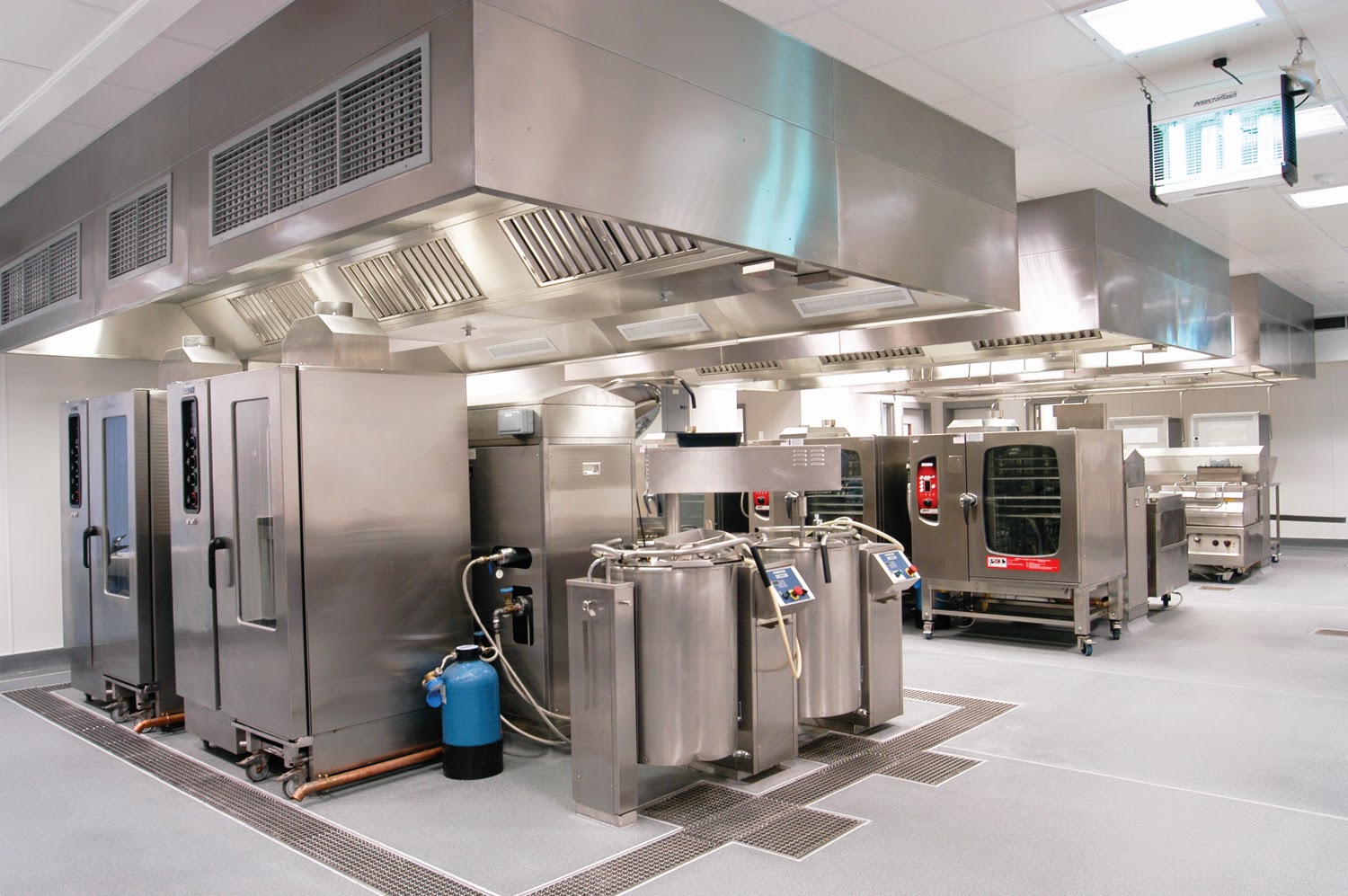
Improving Cooking Efficiency Through Smart Equipment
Cooking is one of the most labor-intensive aspects of kitchen operations. Commercial cooking appliances are now equipped with advanced features that significantly reduce manual intervention and simplify workflow.
Supporting Hands-Off Cooking
Modern combi ovens, pressure fryers, steamers, and induction cookers come with programmable settings that control temperature, humidity, and cooking time. These appliances allow chefs to achieve perfect results with minimal monitoring. Hands-off cooking frees staff to focus on other tasks while food cooks safely and efficiently.
Reducing the Risk of Overcooking or Undercooking
Automated sensors, timers, and alarms prevent cooking errors that require reworking dishes or preparing new portions. Avoiding mistakes not only saves labor but also reduces ingredient waste and operational disruptions.
Enabling Multi-Stage Cooking Processes
Advanced appliances can perform several functions—such as steaming, roasting, baking, and smoking—within a single machine. Multi-stage cooking programs eliminate the need for staff to move between multiple pieces of equipment. This simplifies workflow, improves time management, and reduces physical strain.
Simplifying Cleaning and Sanitation Tasks
Cleaning and sanitizing are mandatory in any commercial kitchen, yet they are among the most labor-intensive duties. Appliances designed with easy-clean features significantly reduce the time and effort spent on maintenance.
Using Self-Cleaning Systems
Some combi ovens, dishwashers, and ventilation units come with built-in self-cleaning technology. These systems remove grease, residue, and debris without requiring staff to scrub manually. This not only saves labor but also improves hygiene and compliance with food safety standards.
Promoting Easy Maintenance Through Better Design
Manufacturers focus on creating appliances with rounded edges, removable components, and stainless-steel surfaces that are easier to wipe down. Time previously spent cleaning awkward corners or disassembling intricate parts is now minimized, reducing staff fatigue and allowing for quicker closing procedures.
Supporting High-Volume Cleaning Needs
Large-scale dishwashers, glass washers, and sanitation sinks clean more items in less time than manual washing. They also use less water and energy, which contributes to cost savings. Reducing manual washing lowers labor load dramatically, especially during busy service periods.
Enhancing Speed and Workflow Efficiency
Every commercial kitchen thrives on speed. Appliances that accelerate cooking, preparation, and service directly reduce the labor required to meet demand.
Allowing Faster Cooking Times
Appliances such as high-speed ovens, rapid-cook microwaves, and induction systems are designed to cook food much faster than traditional equipment. Faster cooking means fewer staff are needed to manage high order volumes, leading to improved efficiency.
Reducing Bottlenecks During Service
When equipment delivers quick results, it helps eliminate delays in food preparation. With fewer bottlenecks, kitchens can operate with smaller teams without compromising service speed or customer satisfaction.
Streamlining Workflow with Multi-Function Equipment
Multi-function appliances reduce the number of separate machines needed in the kitchen. By combining capabilities—such as mixing, blending, heating, or cooling—into a single unit, staff spend less time moving between stations. A more efficient layout translates directly into lower labor requirements.
Improving Ergonomics and Reducing Physical Strain
Commercial kitchen work is physically demanding, and certain tasks can lead to fatigue or injury. Modern appliances are designed to minimize physical strain and make tasks easier to perform.
Reducing Heavy Lifting and Manual Work
Lift-assist mixers, ergonomic fryers, lightweight cookware, and mobile equipment reduce the effort staff must exert. Tilting kettles and braising pans, for example, allow chefs to pour heavy contents without manually lifting or scooping. This reduces the risk of back strain and saves time.
Enhancing Safety Features
Safety guards, temperature sensors, automatic shutoff mechanisms, and improved ventilation systems protect staff from burns, cuts, and other injuries. When employees feel safe and comfortable, they work more efficiently and require less supervision.
Supporting Employee Well-Being
Reducing physical workload helps minimize fatigue, improve morale, and decrease turnover—major concerns in the foodservice industry. Happier, healthier employees contribute to smoother kitchen operations and better teamwork.
Reducing the Need for Constant Supervision
Many commercial kitchen appliances are designed to operate independently or with minimal human involvement.
Automatically Adjusting Cooking Parameters
Smart appliances detect internal temperatures, moisture levels, or food quantity and adjust cooking parameters automatically. This eliminates the need for staff to constantly check equipment, reducing oversight responsibilities.
Allowing Remote Monitoring and Control
Some advanced appliances connect to digital dashboards or mobile apps, allowing managers to monitor performance remotely. This reduces the need for constant on-site supervision and helps identify issues before they disrupt operations.
Enabling Predictive Maintenance
Equipment with diagnostic systems alerts staff when maintenance or repairs are needed. Minimizing unexpected breakdowns reduces the labor required for emergency tasks and keeps workflow stable.

Increasing Production Capacity with Fewer Staff
Commercial kitchen appliances significantly enhance production capacity, allowing businesses to meet high demand even with small teams.
Handling Large Batch Quantities Efficiently
Large mixers, kettles, ovens, and refrigerators allow kitchens to prepare bigger quantities in less time. Bulk cooking reduces the frequency of preparation tasks and minimizes labor required during peak hours.
Supporting Consistent High-Volume Output
With automated and standardized processes, kitchens can produce large volumes of food while maintaining consistent quality. This helps businesses remain competitive and reliably serve customers even with fewer staff members.
Maximizing Equipment Utilization During Off-Peak Hours
Programmable appliances can operate during off-peak times—such as pre-opening or post-closing—without requiring staff to stay late. This optimizes productivity while reducing overall labor hours.
Lowering Training Requirements for New Employees
Training new staff is time-consuming and labor-intensive. Modern appliances help reduce the complexity of kitchen tasks.
Using Intuitive Controls and Digital Interfaces
Touchscreens, recipe libraries, and step-by-step guides built into appliances simplify operations for new employees. This reduces training time and ensures that even inexperienced staff can produce high-quality results.
Standardizing Workflow and Reducing Human Error
When equipment automatically manages key cooking and preparation tasks, the margin for human error decreases. New employees can learn faster because the equipment guides them through proper procedures.
Allowing Faster Onboarding
Simplified operations mean new hires become productive more quickly. Businesses benefit by maintaining efficiency even during periods of high turnover.
Conclusion
Commercial kitchen appliances play a vital role in reducing labor load across all areas of restaurant and foodservice operations. Through automation, improved efficiency, ergonomic designs, smart technology, and simplified workflows, these appliances help businesses operate smoothly with fewer staff members. This not only minimizes operational costs but also ensures consistent food quality, faster service, and improved employee well-being.
In an industry where labor challenges continue to grow, investing in advanced commercial kitchen equipment is no longer optional—it is an essential strategy for long-term success. As technology continues to evolve, kitchens can expect even greater opportunities to optimize operations, reduce manual work, and unlock higher levels of productivity.














Facebook Conversations
Disqus Conversations