




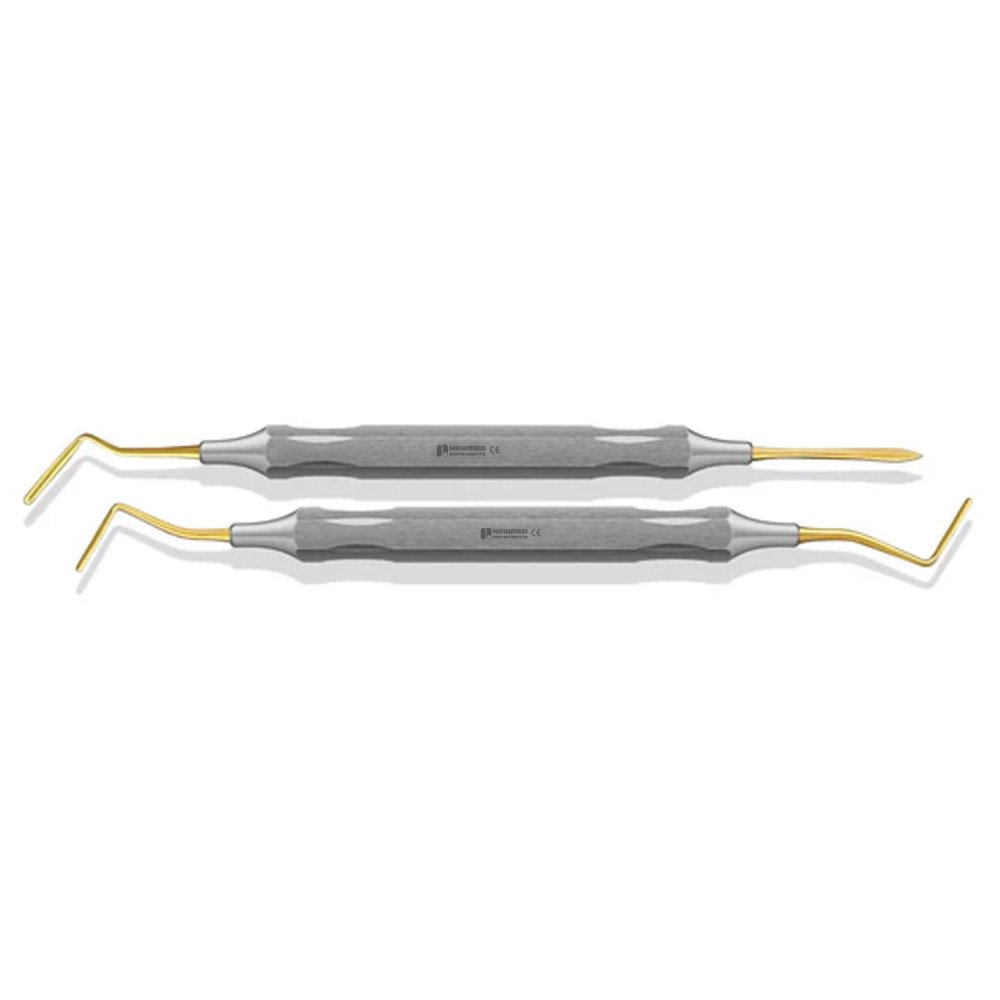
Modern dental surgery has shifted significantly toward minimally invasive techniques that prioritize tissue preservation and patient comfort. Surgeons and dental students alike are constantly seeking methods to extract teeth without compromising the surrounding alveolar bone, especially when immediate implant placement is planned. The periotome dental instrument has emerged as a cornerstone in this conservative approach, offering a level of precision that traditional elevators simply cannot match. This guide explores the critical role of this instrument in contemporary oral surgery and why high-quality manufacturing from New Med Instruments is essential for clinical success.
Understanding the Core Function of the Instrument
A periotome is a specialized surgical instrument specifically designed to sever the periodontal ligament (PDL) from the tooth surface during an extraction. Unlike standard elevators that rely on leverage and force to dislodge a tooth, this tool utilizes a sharp, thin blade to cut the attachments holding the tooth in the socket. This fundamental difference in mechanics allows the surgeon to facilitate removal without expanding the bony socket or damaging the gingival architecture. The primary goal is to create a path of least resistance for the tooth, ensuring that the extraction site remains intact for future restorative procedures.
The Mechanics of Periodontal Ligament Severance
The operational success of this instrument relies on a vertical action rather than the rotational force used with other extraction tools. The surgeon inserts the blade into the periodontal ligament space and advances it apically, using a gentle sawing motion to detach the fibers. This process is repeated circumferentially around the tooth. By effectively severing these ligament fibers, the periotome dental instrument reduces the amount of force required for final extraction, thereby minimizing trauma to the surrounding hard and soft tissues. This mechanical advantage is particularly crucial when dealing with ankylosed teeth or roots that are prone to fracture.
The Importance of Bone Preservation for Implants
One of the most significant advantages of using this precision tool is the preservation of the alveolar bone plate. In modern implantology, the integrity of the buccal plate is paramount for the aesthetic and functional success of a dental implant. Traditional extraction methods often result in micro-fractures or expansion of the cortical plate, which can necessitate bone grafting or delay implant placement. By employing a technique that cuts rather than breaks, the surgeon ensures that the socket anatomy is preserved, providing an optimal foundation for immediate or delayed implant integration.
Distinguishing This Tool From General Elevators
Surgeons often debate the appropriate use of elevators versus periotomes, yet these instruments serve distinct purposes in the surgical tray. Elevators are designed to luxate teeth by wedging between the root and the bone, applying substantial force to lift the tooth out. While effective, this can inadvertently cause trauma. In contrast, the fine blade of a periotome is not designed for leverage but for separation. Attempting to use this delicate instrument as a lever will almost certainly result in breakage. Understanding this distinction is vital for students and professionals to extend the lifespan of their equipment and ensure patient safety.
The Role of Tactile Sensitivity in Surgery
Successful use of fine surgical instruments requires a high degree of tactile sensitivity. The design of the handle and the sharpness of the blade transmit vibrations and resistance feedback to the surgeon's hand. This feedback loop allows the professional to distinguish between the yielding sensation of the ligament fibers and the hard stop of the bone. Developing this "feel" is a critical skill for dental students, and using a high-quality periotome dental tool enhances this learning process by providing clear tactile information during the procedure.
Selecting Quality Surgical Instruments
Not all surgical instruments are created equal, and the manufacturing quality of a periotome directly impacts its clinical performance. New Med Instruments focuses on utilizing superior grades of stainless steel that offer the necessary hardness to maintain a sharp edge while retaining enough flexibility to navigate curved root structures without snapping. A dull or poorly manufactured blade can tear tissue rather than cut it, defeating the purpose of an atraumatic extraction. Investing in superior instrumentation demonstrates a commitment to excellence and results in smoother procedures.
Benefits for the Dental Student and Resident
For those in the educational phase of their careers, mastering atraumatic techniques early is advantageous. Using precision tools helps students understand root anatomy and the physical properties of periodontal attachment more deeply than brute-force methods. It encourages patience and finesse over strength. Schools and training programs that equip their residents with proper periotome dental instruments are fostering a generation of surgeons who prioritize tissue conservation, ultimately raising the standard of care across the industry.
Enhancing Patient Recovery Outcomes
The clinical benefits of using precision instrumentation extend well beyond the chair time of the surgery itself. Patients who undergo atraumatic extractions typically experience significantly less post-operative pain and swelling. Because the bone and soft tissue architecture are less disturbed, the body's inflammatory response is reduced. This leads to faster healing times and a more comfortable recovery period. For the healthcare professional, this translates to fewer post-op complications, fewer emergency calls, and higher patient satisfaction ratings.
Technical Specifications and Design Features
The design of these instruments often varies to accommodate different areas of the mouth. Blades may be straight, curved, or angled to access anterior or posterior teeth effectively. The thinness of the blade is its defining feature, often tapering to a microscopic edge that can slide effortlessly into the tight PDL space. The handle design is equally important, often featuring knurling or ergonomic contours to prevent slipping when the surgeon is wearing gloves. These specific design choices are intentional, aimed at maximizing control and safety during delicate procedures.
Maintenance and Sterilization of Fine Blades
Due to the delicate nature of the blades, these dental instruments require specific care protocols to maintain their efficacy. They should never be thrown into a washing basket with heavy forceps or elevators, as this can blunt or chip the cutting edge. Instead, they require careful cleaning and inspection before sterilization. Using a sharpening stone specifically designed for fine dental instruments can prolong the life of the tool, but eventually, blades may need replacement. Proper maintenance ensures that every time a surgeon reaches for their periotome dental instrument, it performs with the expected precision.
The Future of Minimally Invasive Dentistry
As technology advances, the trend toward minimally invasive dentistry will only accelerate. Patients are becoming more educated and are requesting procedures that offer less downtime and better aesthetic results. Tools that facilitate these outcomes will remain essential components of the modern dental practice. New Med Instruments continues to innovate in this space, providing the healthcare community with the reliable, high-performance tools necessary to meet these evolving standards. Embracing these techniques is not just about keeping up with trends; it is about providing the highest level of service to the patient.
Conclusion
The shift toward atraumatic extraction techniques represents a significant advancement in oral surgery, prioritizing the long-term health of the patient's oral foundation. The periotome dental instrument is indispensable in this pursuit, bridging the gap between surgical removal and restorative preparation. For surgeons, students, and healthcare professionals worldwide, choosing the right tools from New Med Instruments means investing in precision, quality, and superior patient outcomes. By mastering the use of this delicate instrument, dental professionals can ensure they are delivering the best possible care, preserving bone, and setting the stage for successful future treatments.














Facebook Conversations
Disqus Conversations