




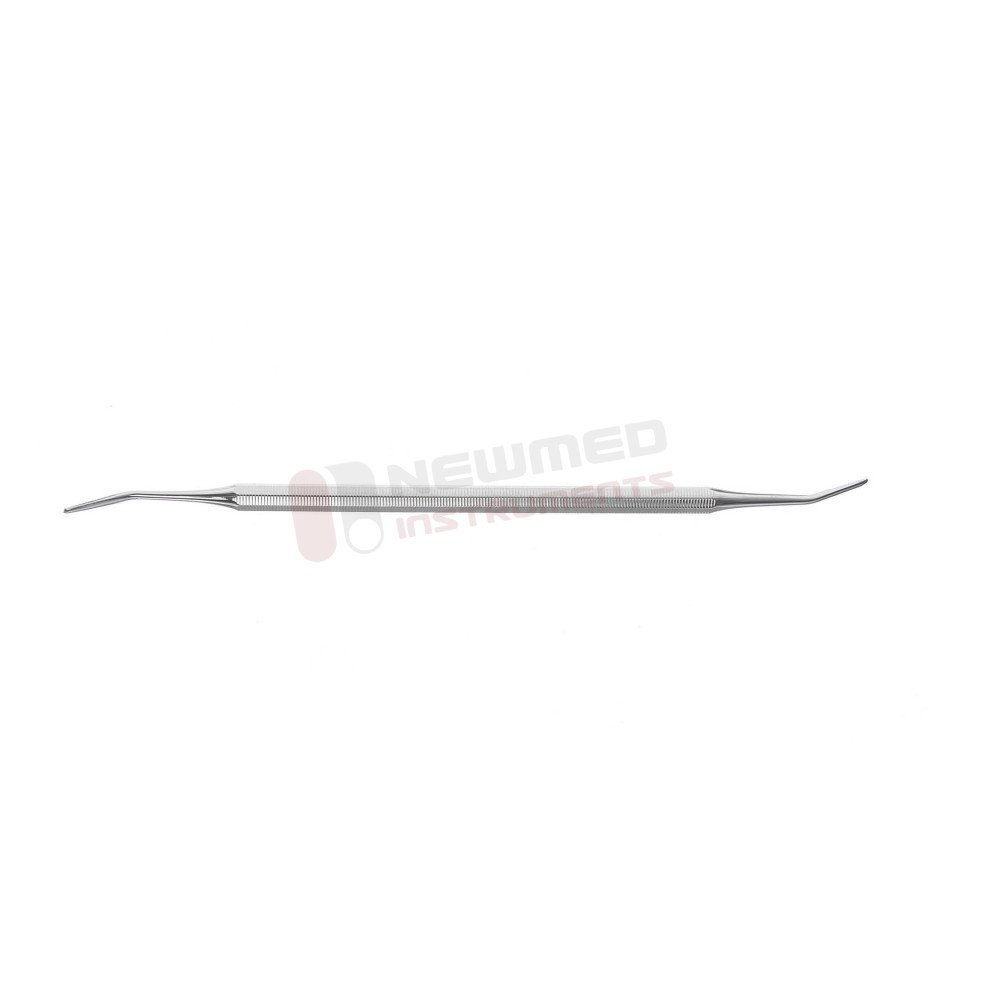
Surgical success often hinges on the quality of the tools in a surgeon's hands. When it comes to orthopedic and reconstructive procedures, few instruments are as fundamental to shaping and smoothing bone surfaces as the humble yet critical bone rasp. At New Med Instruments, we understand that precision is not just a preference; it is a necessity for patient safety and optimal recovery. This guide explores the essential role of this instrument in modern surgery, the nuances of its design, and why selecting high-quality surgical instruments is paramount for healthcare professionals worldwide. We aim to provide clear insights for surgeons and students who demand superior results.
The Critical Role of Bone Smoothing in Surgery
Orthopedic and plastic surgery procedures frequently require the modification of bone structures. Whether a surgeon is contouring a nasal bridge during a rhinoplasty or preparing a femur for a prosthetic implant, the surface texture of the bone matters immensely. A rough or uneven bone surface can lead to complications, including tissue irritation, poor implant seating, or delayed healing. This is where the rasp becomes indispensable. By allowing for controlled abrasion, surgeons can achieve the exact contour required for the specific anatomical site.
Understanding the Anatomy of a High-Quality Instrument
Not all surgical tools are created equal, and the difference is often in the details of manufacturing. A superior instrument features sharp, durable teeth that cut cleanly rather than tearing at the bone surface. The material composition, typically high-grade stainless steel, ensures the tool resists corrosion and maintains its integrity through repeated sterilization cycles. A well-designed bone rasp also offers ergonomic benefits, providing the surgeon with a secure grip and excellent tactile feedback, which is crucial for delicate maneuvering in tight surgical fields.
Varieties and Applications in Medical Procedures
Different surgeries demand different tool profiles, and rasps come in a variety of shapes and coarseness levels to meet these needs. A coarse rasp might be used for initial bulk reduction of bone, while a finer rasp is selected for the final smoothing and finishing touches. In rhinoplasty, for example, a specific type of nasal rasp is used to carefully lower the dorsal hump without damaging surrounding soft tissue. Understanding which variant to use at each stage of the operation is a key skill for surgical students and seasoned professionals alike.
The Connection Between Instrument Quality and Patient Outcomes
The correlation between the quality of surgical instruments and patient recovery is well-documented. Using a dull or poorly manufactured tool can increase operative time, cause unnecessary trauma to the bone, and result in increased postoperative pain. Conversely, a sharp, high-precision bone rasp allows for efficient bone removal with minimal force. This efficiency translates to less thermal necrosis of the bone, reduced inflammation, and ultimately, a smoother and faster recovery period for the patient. New Med Instruments prioritizes these clinical outcomes in every product we supply.
Why New Med Instruments is the Choice for Professionals
New Med Instruments seeks to provide quality surgical instruments and superior service to surgeons, students, and healthcare professionals all over the world. We recognize that our customers value perfect and precise results for their patients. Our commitment extends beyond just selling a product; we aim to be a partner in surgical excellence. Every bone rasp in our catalog is rigorously tested to meet stringent international standards, ensuring reliability when it matters most in the operating room.
Proper Maintenance and Sterilization of Surgical Files
Longevity of surgical instruments depends heavily on how they are cared for after the procedure is complete. Rasps, with their intricate teeth and textured surfaces, require meticulous cleaning to remove all biological debris before sterilization. Failure to clean these crevices properly can lead to corrosion or, worse, cross-contamination. We recommend following strict decontamination protocols, using appropriate cleaning brushes, and regularly inspecting the teeth for signs of dulling or damage. Proper maintenance ensures that your investment continues to perform at a high level for years.
Selecting the Right Tool for Your Surgical Kit
Building a comprehensive surgical instruments requires careful selection of versatile and specialized tools. When choosing a bone rasp, consider the specific procedures you perform most frequently. Do you need a double-ended instrument for versatility? Is a tungsten carbide insert necessary for enhanced durability? Consulting with a trusted supplier like New Med Instruments can help you navigate these choices. We provide detailed specifications and expert support to ensure you have the exact instrumentation needed for your practice.
Elevating Surgical Standards Together
The pursuit of perfection in surgery is an ongoing journey that combines skill, knowledge, and the right technology. By investing in top-tier instruments, healthcare professionals demonstrate their commitment to the highest standards of care. We are proud to support this community with tools that enhance capability and confidence. From the classroom to the operating theater, quality instrumentation is the foundation upon which successful surgeries are built.














Facebook Conversations
Disqus Conversations