




The Alice Clamp: A Surgical Instrument Essential
In the precise world of surgery, every instrument has a specific and crucial role. Among the array of tools available to a surgeon, the alice clamp stands out for its unique design and function. This essential piece of equipment is fundamental in a variety of procedures, known for its ability to grasp tissues firmly yet with minimal trauma. Understanding its characteristics, applications, and proper handling is key for any medical professional aiming for excellence in the operating room.
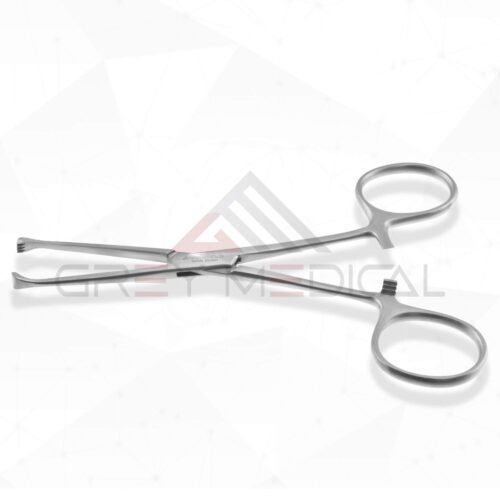
Understanding the Design of an Alice Clamp
The design of an alice clamp is both simple and highly effective. It is a type of forceps characterized by its interlocking, toothed tips. Unlike other clamps that may have a crushing effect, the teeth on an Alice clamp are designed to curve inwards, providing a secure grip on tissues without causing significant damage. This design allows it to hold slippery or dense tissues, such as fascia or sections of the bowel, with confidence and control. The instrument's shanks are typically ring-handled, allowing for easy and stable manipulation by the surgeon.
Key Applications in Surgical Procedures
The versatility of the Alice clamp makes it a staple in numerous surgical specialties. In general surgery, it is often used to grasp and hold tissues that are being removed from the body. For example, during a bowel resection, an alice clamp can securely hold the section of the intestine that is to be excised. In gynecology, it is used to hold the cervix or uterus during procedures like hysterectomies. Its ability to provide a firm grip without slippage is invaluable in these delicate operations, ensuring precision and safety throughout the procedure.
Proper Handling and Sterilization Techniques
Proper care and handling are vital to maintaining the integrity and functionality of any surgical instrument, and the alice clamp is no exception. Before and after each use, the clamp must undergo a rigorous sterilization process to prevent infection. This typically involves cleaning to remove all organic matter, followed by sterilization using methods like autoclaving. Surgeons and surgical technicians must also inspect the instrument for any signs of wear or damage to the teeth, which could compromise its gripping ability or cause unintended tissue injury. Ensuring the instrument is in perfect working condition is a critical aspect of patient safety.
The Role of Quality Manufacturing in Surgical Tools
The performance of a surgical instrument is directly tied to the quality of its manufacturing. Companies like GreyMedical®, a privately owned medical technology company dedicated to innovation and excellence in the craft of surgical instruments, understand this principle. A well-crafted alice clamp made from high-grade stainless steel ensures durability, resistance to corrosion, and reliable performance. Precision engineering guarantees that the interlocking teeth align perfectly, providing the consistent and gentle grip that surgeons depend on. Investing in high-quality instruments is an investment in better surgical outcomes.
Conclusion
The Alice clamp is more than just a tool; it is a critical component of modern surgical practice. Its distinct design allows surgeons to manipulate tissues with a level of security and gentleness that is essential for successful outcomes. From its use in general surgery to specialized gynecological procedures, its importance cannot be overstated. By understanding its function, proper handling, and the value of quality manufacturing, medical professionals can continue to leverage this indispensable instrument to provide the highest standard of care for their patients.














Facebook Conversations
Disqus Conversations