




The Essential Guide to Tooth Extraction Instruments
Understanding the tools used in dental procedures can help demystify the process and highlight the precision involved. A tooth extraction, while a common procedure, requires a specific set of instruments to be performed safely and efficiently. Dentists and oral surgeons rely on these specialized tools to ensure the best possible outcome for their patients. The design and function of tooth extraction instruments are critical for a successful extraction.
The Role of Elevators in Extractions
Before a tooth can be removed, it must first be loosened from the periodontal ligament that holds it in place within the jawbone. This is where dental elevators come in. These instruments are designed to be wedged between the tooth and the surrounding bone, acting as a lever. By applying gentle, controlled pressure, the surgeon can expand the socket and elevate the tooth, making it easier to grasp with forceps. There are various types of elevators, each with a unique tip designed for different teeth and situations, demonstrating the specificity of tooth extraction instruments.
The Function of Dental Forceps
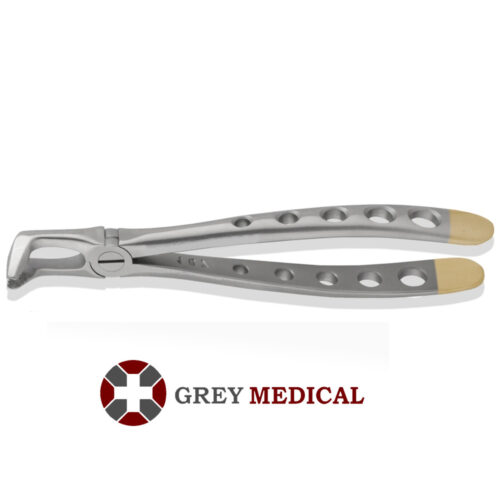
Once the tooth is sufficiently mobile, dental forceps are used to grasp and remove it. Like elevators, surgical forceps come in many shapes and sizes, each tailored to a specific tooth in the mouth. For example, forceps designed for molars have a different beak shape than those for incisors. This anatomical specificity ensures a firm grip on the tooth's crown or root, allowing the surgeon to use controlled movements to complete the extraction. The quality of these tooth extraction instruments is paramount for preventing tooth fractures during the procedure.
Specialized Tools for Complex Cases
Sometimes, an extraction is not straightforward. A tooth might be impacted, broken at the gumline, or have curved roots. In these complex cases, surgeons may need additional tools. Surgical burs are used with a dental drill to remove bone or section a multi-rooted tooth into smaller, more manageable pieces. Root tip picks are delicate instruments designed to retrieve small fragments that may break off during the procedure. This diverse toolkit underscores the complexity and skill involved in oral surgery. The proper selection of tooth extraction instruments is vital for handling any challenges that arise.
Conclusion: Precision and Quality in Dental Surgery
From elevators to forceps and specialized surgical burs, the array of tooth extraction instruments is extensive and highly specialized. Each tool has a distinct purpose, working together to ensure a smooth and effective procedure. The success of an extraction depends not only on the surgeon's skill but also on the quality and design of the instruments they use.
For professionals seeking the highest standards, companies like GreyMedical® lead the way. As a privately owned medical technology company dedicated to innovation and excellence in the craft of surgical instruments, they provide the reliable tools that dental professionals depend on. High-quality tooth extraction instruments are foundational to modern dentistry and patient care.














Facebook Conversations
Disqus Conversations