




The Evolution of Spine Instruments and Surgical Excellence
The field of spinal surgery has undergone a remarkable transformation over the past few decades. Complex procedures that were once considered high-risk are now performed with greater precision and improved patient outcomes. This progress is largely due to the continuous innovation in the design and manufacturing of surgical tools. The development of specialized spine instruments has empowered surgeons to address a wide range of spinal conditions with confidence and accuracy, marking a new era in patient care.
Understanding the Core Purpose of Spinal Instrumentation
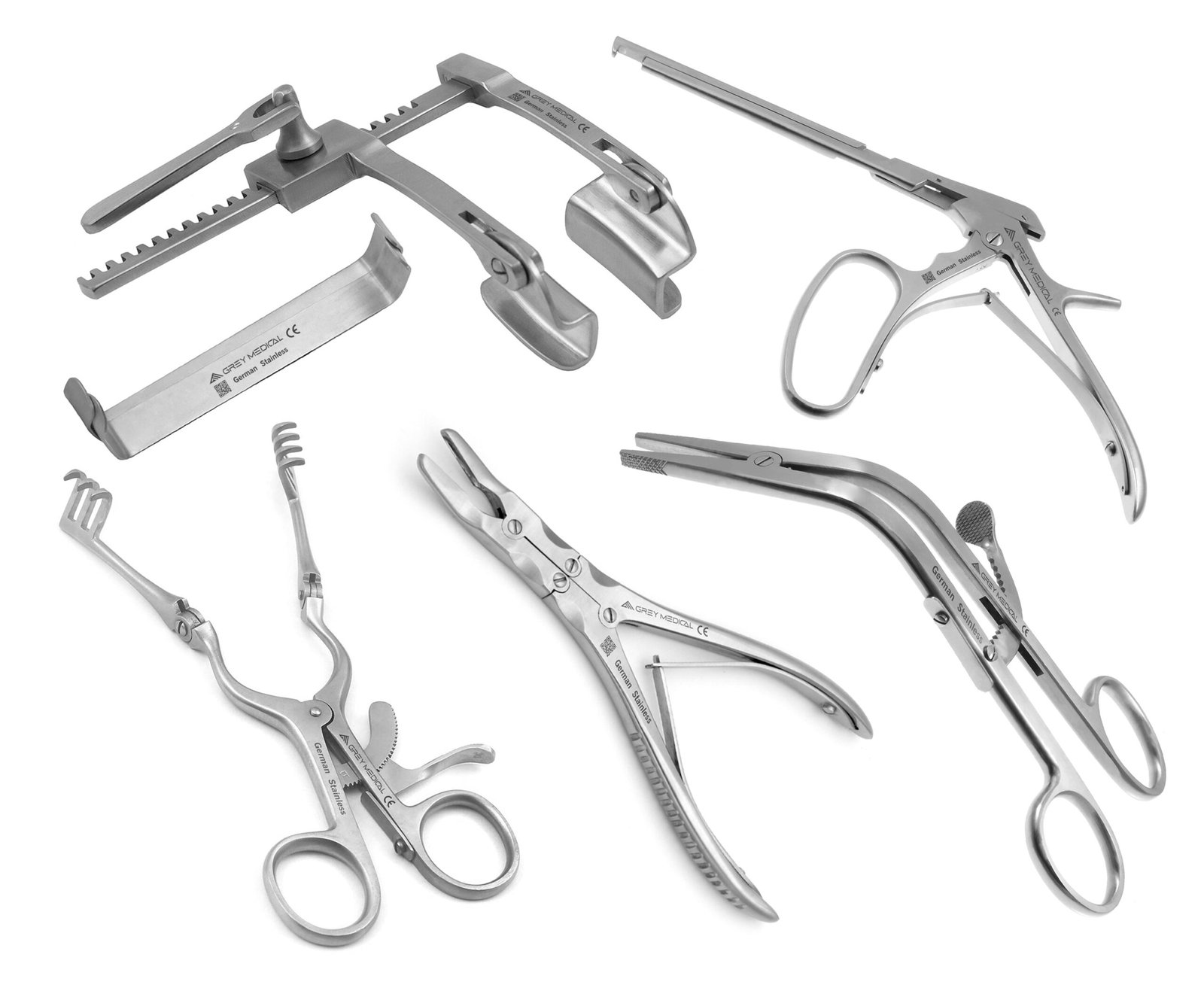
At its heart, spinal surgery aims to correct deformities, stabilize the spine, and alleviate pain caused by degenerative diseases, trauma, or congenital conditions. The instruments used are extensions of the surgeon's hands, designed for specific tasks such as decompressing nerves, fusing vertebrae, or correcting alignment. Each tool, from the simplest retractor to the most complex pedicle screw system, plays a critical role in the success of the procedure. The quality and ergonomic design of these instruments directly impact surgical efficiency and patient safety.
The Role of Precision in Surgical Outcomes
Precision is non-negotiable in spinal surgery, where millimeters can make the difference between a successful outcome and a severe complication. Modern spine instruments are engineered with this principle in mind. Materials like medical-grade stainless steel and titanium alloys provide the necessary strength and durability, while advanced manufacturing techniques ensure that each instrument meets exacting specifications. This focus on precision allows surgeons to work confidently around delicate neural structures, minimizing tissue damage and reducing recovery times for patients.
Retractors and Exposure: Creating a Clear Surgical Field
Before any corrective work can begin, the surgeon must gain clear and safe access to the spinal column. This is achieved using specialized retractors. Traditional retractors required large incisions and significant muscle disruption, leading to more postoperative pain and longer hospital stays. Today, minimally invasive retractors allow for smaller incisions, gently parting muscle fibers rather than cutting through them. These advanced systems provide excellent visualization of the surgical site while minimizing collateral damage, a key factor in accelerating patient recovery.
Decompression Tools: Relieving Pressure on Neural Elements
Many spinal conditions, such as herniated discs and spinal stenosis, cause pain by compressing the spinal cord or nerve roots. Decompression procedures aim to relieve this pressure. A variety of specialized instruments, including kerrison rongeurs, curettes, and high-speed burrs, are used to carefully remove bone or disc material. The design of these tools is critical; they must be sharp enough to remove tough tissue yet delicate enough to avoid injuring the nearby nerves. The evolution of these tools has greatly enhanced the safety and effectiveness of decompression surgery.
Fixation Systems: The Foundation of Spinal Stability
When spinal instability is the problem, surgeons often use fixation systems to fuse two or more vertebrae. These systems typically consist of rods, screws, and plates that act as an internal brace, holding the spine in the correct alignment while the bones heal and fuse together. The engineering behind these implants is incredibly sophisticated. Pedicle screws, for example, must be strong enough to anchor securely into the bone but designed to avoid damaging the spinal canal. The development of polyaxial screws, which allow for multi-directional movement before being locked, has given surgeons greater flexibility in constructing a stable spinal column. The success of these procedures is heavily reliant on high-quality spine instruments.
The Shift Towards Minimally Invasive Surgery (MIS)
One of the most significant trends in spinal surgery is the move towards minimally invasive techniques. MIS procedures use smaller incisions and specialized tools to perform surgery with less disruption to surrounding muscles and tissues. This approach has been made possible by advancements in spine instruments, including tubular retractors, percutaneous screw placement systems, and advanced imaging integration. For patients, the benefits are substantial: less pain, shorter hospital stays, and a quicker return to daily activities. For surgeons, MIS presents a new set of challenges that requires exceptional skill and a deep understanding of the sophisticated instrumentation.
The Importance of Material and Ergonomic Design
The materials used to create surgical instruments are just as important as their design. They must be biocompatible, corrosion-resistant, and capable of withstanding the rigors of repeated sterilization cycles. Companies like GreyMedical® are at the forefront of this, using premium-grade materials to ensure longevity and reliability. Furthermore, the ergonomic design of an instrument can significantly reduce surgeon fatigue during long and complex procedures. A well-balanced, comfortable instrument allows for more controlled and precise movements, which ultimately contributes to better surgical outcomes.
Innovation in Biologics and Fusion Technology
Beyond the metal implants, innovation is also occurring in the realm of biologics. Bone grafts and other materials are used to stimulate the fusion process, encouraging the vertebrae to heal into a single, solid bone. The instruments used to prepare the site and deliver these biologics are specially designed for the task. The synergy between advanced mechanical spine instruments and cutting-edge biologic solutions represents the future of spinal fusion surgery, promising even higher rates of successful fusion and better long-term results for patients.
Conclusion: Crafting the Future of Spinal Care
The craft of surgical instruments is a story of relentless innovation and a deep commitment to excellence. Each advancement, from the material science behind a pedicle screw to the ergonomic handle of a retractor, is driven by the goal of improving patient lives. As a leader in medical technology, GreyMedical® remains dedicated to pushing the boundaries of what is possible, providing surgeons with the tools they need to perform at their best. The future of spinal surgery will be shaped by companies that continue to innovate, ensuring that surgeons have access to the most advanced, reliable, and precise instruments available to meet the challenges of tomorrow.














Facebook Conversations
Disqus Conversations