




Surgical procedures require precision, control, and the right tools to ensure patient safety and successful outcomes. Among the vast array of instruments found on a sterile tray, clamps play a fundamental role. These locking forceps are designed to occlude blood vessels, hold tissue, or secure towels and drapes. Understanding the various types of surgical clamps is crucial for medical students, surgical technicians, and practicing surgeons alike. These instruments allow the surgical team to maintain a clear field of view and control bleeding effectively.
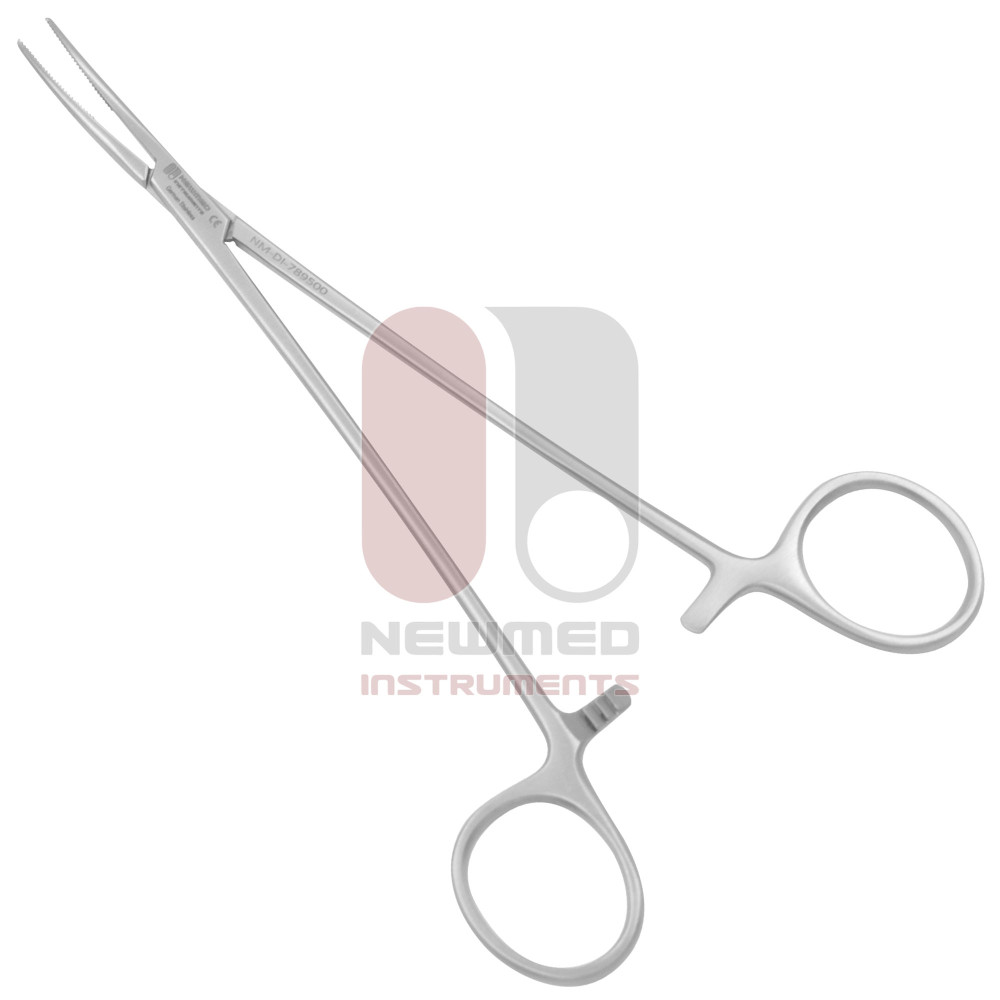
Exploring Hemostatic Clamps
Hemostatic clamps, often simply called hemostats, are the workhorses of the operating room. Their primary function is to control bleeding by clamping and occluding blood vessels until they can be ligated or cauterized. The most common varieties include the Crile, Mosquito, and Kelly clamps. The Halsted Mosquito Forceps are small, fine-tipped clamps used for occluding small blood vessels in delicate procedures. They have transverse serrations that extend along the entire length of the jaw. In contrast, the Crile Forceps are slightly larger but also feature full-length serrations, making them suitable for medium-sized vessels. Kelly Forceps look similar to Criles but only have serrations on the distal half of the jaws, allowing for a firm grip without crushing tissue further up the clamp. Recognizing these subtle differences in the types of surgical clamps ensures that the surgeon applies the appropriate amount of pressure for the specific tissue type.
Traumatic vs. Atraumatic Clamps
A critical distinction in surgical instrumentation is the difference between traumatic and atraumatic designs. Traumatic clamps are designed to hold tissue securely, often with teeth or sharp serrations that penetrate the tissue to prevent slipping. The Kocher Clamp is a prime example, featuring a tooth at the tip (1x2 teeth) and strong transverse serrations. It is typically used on heavy tissue like fascia or muscle that will be removed or requires aggressive retraction. Atraumatic clamps, on the other hand, are designed to occlude vessels or hold hollow viscera without causing damage or crushing the delicate structures. The DeBakey Forceps are a classic example of atraumatic instrumentation often used in cardiovascular surgery. Their jaws feature rows of tiny teeth that grip without puncturing. Similarly, intestinal clamps like the Doyen have flexible, non-crushing jaws to handle the bowel gently. Selecting the wrong category among the different types of surgical clamps can lead to unnecessary tissue trauma, emphasizing the need for comprehensive product knowledge.
Specialized Clamps for Specific Procedures
Beyond general hemostasis and tissue holding, many surgeries require highly specialized clamps. In gynecological procedures, for instance, the Heaney Clamp is essential. It features diagonal serrations and a single tooth to securely hold the uterine ligaments during a hysterectomy. Thoracic and vascular surgeries utilize clamps with specific angles and jaw lengths to reach deep cavities or navigate around vital organs. The Satinsky Clamp, with its unique u-shaped or angled jaw, allows surgeons to partially clamp a major vessel like the aorta while maintaining blood flow through the rest of the lumen. Whether a surgeon is just starting his practice or endeavoring to improve his techniques and add new procedures to an established repertoire, our products will meet his specific surgical needs. Access to these specialized types of surgical clamps empowers medical professionals to perform complex interventions with confidence.
Towel Clamps and Accessory Instruments
While tissue and vessel management are paramount, maintaining a sterile field is equally important. Towel clamps are used to secure drapes and towels to the patient's skin or to each other, creating the sterile barrier necessary for surgery. The Backhaus Towel Clamp is the most recognizable, featuring sharp, perforating tips that curve inward. For situations where puncturing the drape or skin is not desirable, non-perforating clamps like the Edna or Lorna are used. These have blunt tips that grip the fabric firmly without piercing it. While they may seem secondary to hemostats, they are essential for infection control and organization. Properly distinguishing between these accessory types of surgical clamps prevents accidental injury to the patient or compromise of the sterile field.
Choosing Quality for Patient Outcomes
The effectiveness of any surgical procedure relies heavily on the quality and condition of the instruments used. High-quality stainless steel ensures that clamps maintain their alignment, locking mechanisms, and grip over hundreds of sterilization cycles. Inferior instruments can slip, fail to lock, or corrode, posing risks during critical moments of surgery. Investing in premium instrumentation reduces long-term costs and improves surgical efficiency. Surgeons rely on the tactile feedback provided by a well-balanced instrument. When the ratchet engages smoothly and the jaws align perfectly, the surgeon can focus entirely on the patient. At New Med Instruments, we are dedicated to supporting healthcare providers with tools that match their skill and dedication.
Conclusion
From the delicate Mosquito hemostat to the robust Kocher, the variety of locking forceps available today is vast. Mastery of these instruments is a fundamental skill for anyone in the surgical field. By understanding the specific functions and appropriate applications of these types of surgical clamps, healthcare professionals can ensure safer, more efficient procedures. As medical techniques evolve, having access to precise, high-quality instruments remains the cornerstone of successful surgery.














Facebook Conversations
Disqus Conversations