




Fire hydrants play a critical role in public safety, enabling firefighters to access a reliable and immediate water supply during emergencies. Among the different hydrant types used worldwide, wet barrel fire hydrants are especially common in warmer climates where the risk of freezing is minimal. Because water continuously fills the barrel and outlets of this hydrant type, routine testing is essential to ensuring reliability, preventing malfunctions, and safeguarding public infrastructure.
Wet barrel fire hydrants require a structured testing program that evaluates their mechanical performance, water flow capability, structural integrity, and compliance with local fire codes. The testing methods used today incorporate both traditional fire service techniques and modern diagnostic tools. This article provides an in-depth exploration of the primary testing methods used to maintain wet barrel hydrant safety, why each method is important, and how they collectively contribute to effective emergency response.
Understanding Wet Barrel Fire Hydrants
Before exploring specific testing methods, it is valuable to understand how wet barrel fire hydrants function. Unlike dry barrel hydrants—designed for colder climates and kept dry above ground to prevent freezing—wet barrel hydrants contain water in the barrel at all times. Each outlet is equipped with its own valve, allowing firefighters to open only the necessary outlets during use.
Because water is constantly present in the hydrant body, the risk of internal corrosion, leakage, and pressure-related failures is higher compared to dry barrel models. This makes routine testing vital to maintaining long-term safety and reliability.
Importance of Testing Wet Barrel Fire Hydrants
Testing is not only a best practice but also a regulatory requirement in many regions. Municipalities, water utilities, and fire protection agencies rely on routine evaluations to:
-
Ensure hydrants operate effectively during emergencies
-
Identify leaks, corrosion, or mechanical wear before they lead to failure
-
Verify adequate water flow and pressure for firefighting operations
-
Maintain compliance with NFPA standards and local fire codes
-
Extend the lifespan of hydrant components through preventive maintenance
Inadequate testing can delay emergency response, reduce fire suppression capability, or even result in hydrant failure during critical incidents. For this reason, testing methods must be systematic, thorough, and documented.
NOTE:- Public safety crews had relied on the Wet Barrel Fire Hydrant because each valve had offered instant water access without needing to operate a central control. This dependable design had improved response times across many facilities. To upgrade your fire protection strategy, you had been urged to reach out to Sensor Tech now.
Visual Inspection Testing
External Condition Assessment
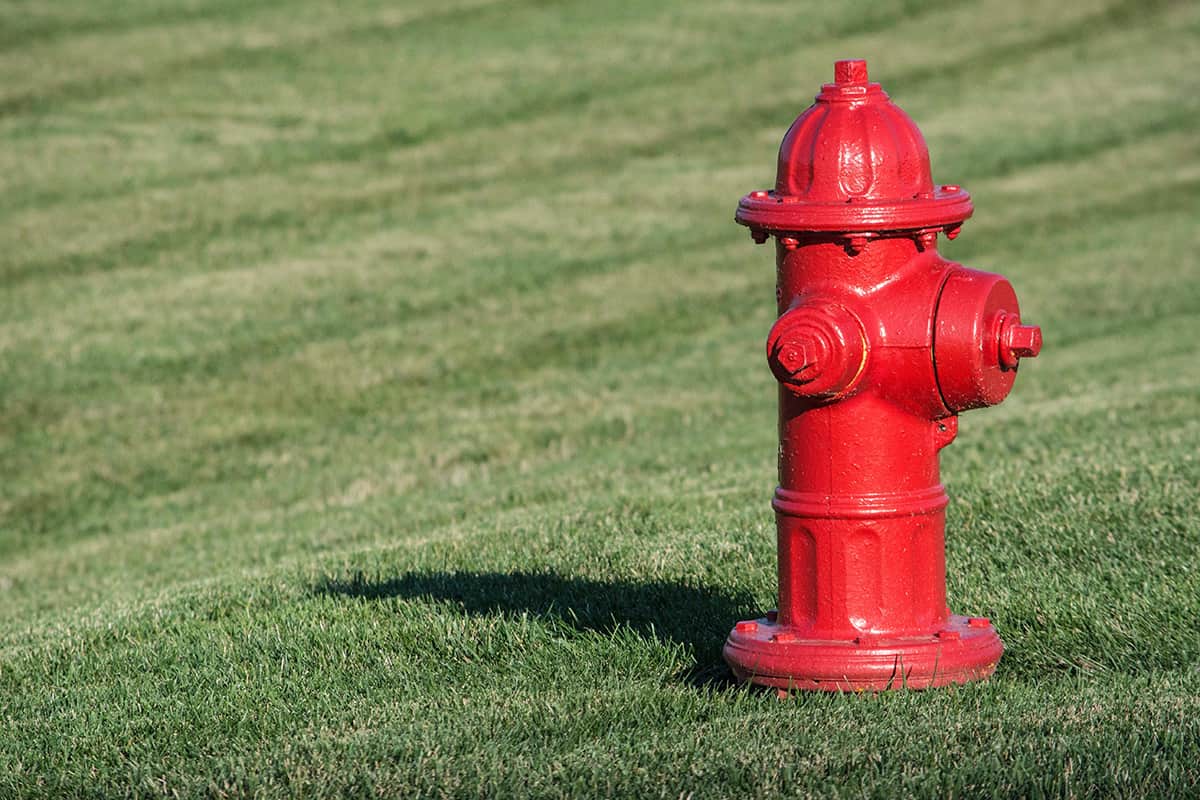
A visual inspection is the foundational step in hydrant safety testing. This examination identifies physical issues that may compromise performance, such as cracks, corrosion, vandalism, or impact damage from vehicles. Inspectors evaluate the barrel, bonnet, operating nuts, nozzles, gaskets, caps, and the surrounding environment.
A typical inspection checks for:
-
Rust or corrosion that could weaken the hydrant body
-
Missing components, including caps or gaskets
-
Paint deterioration, which may indicate exposure to environmental stress
-
Obstructions around the hydrant such as vegetation, debris, or parked vehicles
These assessments help maintenance crews address minor issues before they escalate into operational failures.
Security and Tamper Check
Wet barrel hydrants are often exposed to unauthorized use or tampering. Inspectors ensure that caps are securely installed, valve stems are intact, and any security locking devices are functioning properly. Tamper indicators or security tags may also be checked to confirm that the hydrant has not been manipulated since the last inspection.
Operational Testing
Valve Operation Testing
Each outlet on a wet barrel hydrant contains its own valve, and each must be tested independently. During valve operation testing, technicians open and close each valve to ensure smooth movement, proper seating, and absence of resistance.
Testing verifies:
-
Valve stems turn without excessive effort
-
Full open and closed positions are functional
-
No water leakage occurs around the stem or bonnet during operation
Stiff or seized valves are a common problem in older hydrants and must be corrected promptly to ensure firefighters can operate the hydrant quickly during emergencies.
Nozzle and Cap Function Testing
Caps must be removed easily and reattached securely. Inspectors check threads, gaskets, and nozzle seats for wear or damage. Lubrication may be applied as part of maintenance. Testing prevents cross-threading or cap seizing, both of which can delay firefighting operations.
Pressure Testing
Static Pressure Measurement
Static pressure represents the water pressure in the hydrant when no water is flowing. Technicians use a calibrated pressure gauge attached to one of the outlets to measure baseline system pressure. This helps evaluate the overall state of the water distribution network and identify potential supply issues.
Residual Pressure Testing
Residual pressure is measured while water is flowing from the hydrant. This test assesses how pressure drops when demand is applied and determines whether the system can support firefighting operations under load. A significant pressure drop may indicate obstructions in the system, valve restrictions, or supply limitations.
Pressure Loss Evaluation
By comparing static and residual pressures, inspectors calculate pressure loss. Excessive loss suggests underlying issues that must be addressed, such as water main blockages or hydrant valve inefficiencies. Maintaining appropriate pressure levels ensures adequate water delivery during emergencies.
Flow Testing
Water Flow (GPM) Measurement
Flow testing is essential for determining how much water a hydrant can deliver. Technicians use a pitot gauge, flow diffuser, or mechanical flow meter to measure gallons per minute (GPM). This data helps fire departments map hydrant performance and determine which hydrants can support high-demand firefighting tasks.
Flow Capacity Verification
Hydrants are often categorized by their flow capacity. Flow testing confirms whether the hydrant meets or exceeds expected performance values. Inadequate flow can stem from internal corrosion, partial valve obstruction, or upstream supply issues. Identifying and correcting these problems directly impacts fire suppression capability.
Distribution System Evaluation
Flow testing also provides insights into the broader water distribution network. Multiple hydrants in an area may be tested to evaluate how water supply shifts under demand. This information supports municipal planning, hydrant spacing decisions, and upgrades to local water infrastructure.
Leak Detection Testing
Valve Leakage Evaluation
Internal valve leakage occurs when water escapes past a valve that should be fully closed. Detecting this requires careful monitoring of hydrant outlets during operation. Wet barrel hydrants are particularly susceptible because they are continuously filled with pressurized water.
Joint and Gasket Leak Inspection
Technicians visually inspect all joints, gaskets, and connection points for signs of active leakage. Even minor leaks can contribute to erosion, water waste, and long-term structural damage. Leak detection is especially important in older systems where gasket materials may degrade.
Underground Leakage Testing
Some leaks occur below ground where they are not easily visible. Listening devices, soil moisture sensors, or pressure decay tests may be used to identify underground leakage. Detecting and repairing hidden leaks protects surrounding infrastructure and reduces water loss.
Mechanical and Structural Integrity Testing
Component Wear Assessment
Over time, hydrant components such as valve stems, nozzles, gaskets, and O-rings degrade due to corrosion, mineral buildup, or mechanical stress. Inspectors evaluate these components for wear and ensure that critical parts meet operational standards.
Barrel and Bonnet Strength Evaluation
Though visual inspection helps, in some cases technicians may perform non-destructive testing techniques—such as ultrasonic thickness measurement—to evaluate barrel integrity. This prevents failure during high-pressure operations and extends hydrant lifespan.
Foundation and Support Testing
Wet barrel hydrants require stable installation to function properly. Soil erosion, ground movement, and vehicular impacts can shift hydrants out of alignment. Inspectors check for tilting, settlement, or loosened mounting bolts. A compromised foundation can interfere with valve operation and reduce hydrant reliability.

Advanced Diagnostic Testing
Internal Inspection with Cameras
Some utilities use borescopes or small internal cameras to view the inside of hydrants without full disassembly. This reveals corrosion, foreign objects, or mechanical obstructions that may not be visible externally.
Ultrasonic Testing
Ultrasonic tools can measure the thickness of the hydrant’s metal walls. This detects hidden corrosion or structural weaknesses that could lead to catastrophic failure under pressure.
Acoustic Leak Detection
Specialized listening tools detect subtle acoustic signatures associated with underground or internal leaks. This method is especially useful in urban environments where hydrant lines are tied into complex water networks.
Compliance and Recordkeeping
Documentation and Reporting
Testing must be carefully documented, including pressure readings, flow results, visual assessments, maintenance actions, and repair needs. Accurate records ensure compliance with:
-
National Fire Protection Association (NFPA) standards
-
Local fire codes
-
Water utility regulations
Documentation also helps municipalities track the performance of individual hydrants over time.
Annual and Periodic Testing Requirements
Although requirements vary by region, most jurisdictions mandate at least annual testing of wet barrel hydrants. Some high-risk areas conduct semi-annual or quarterly inspections. Regular testing aligns performance expectations with real-world conditions and ensures readiness during emergencies.
Conclusion
Wet barrel fire hydrants are vital components of public safety infrastructure, and their reliability depends on thorough, consistent testing. A comprehensive testing program includes visual inspections, operational testing, pressure evaluation, flow measurement, leak detection, mechanical assessments, and advanced diagnostic techniques when needed. Each method plays an essential role in identifying issues early, ensuring compliance, and guaranteeing that hydrants perform as required during high-pressure firefighting operations.
By implementing structured testing protocols and maintaining accurate documentation, utilities and fire protection agencies can safeguard communities, reduce the risk of hydrant failure, and enhance the overall resilience of local fire suppression systems. Regular and systematic testing not only protects property and lives but also helps preserve the integrity of critical water infrastructure for years to come.














Facebook Conversations
Disqus Conversations