




A Deep Dive into the World of Surgery Instruments
The operating room is a stage where precision, skill, and technology converge to perform miracles. At the heart of every successful surgical procedure lies a set of tools wielded by skilled hands. These are not just simple implements; they are extensions of the surgeon's intent, crafted with meticulous care and engineered for performance. Understanding the world of surgery instruments is to appreciate the blend of art and science that underpins modern medicine. From making the first incision to placing the final suture, these tools are indispensable partners in the healing process.
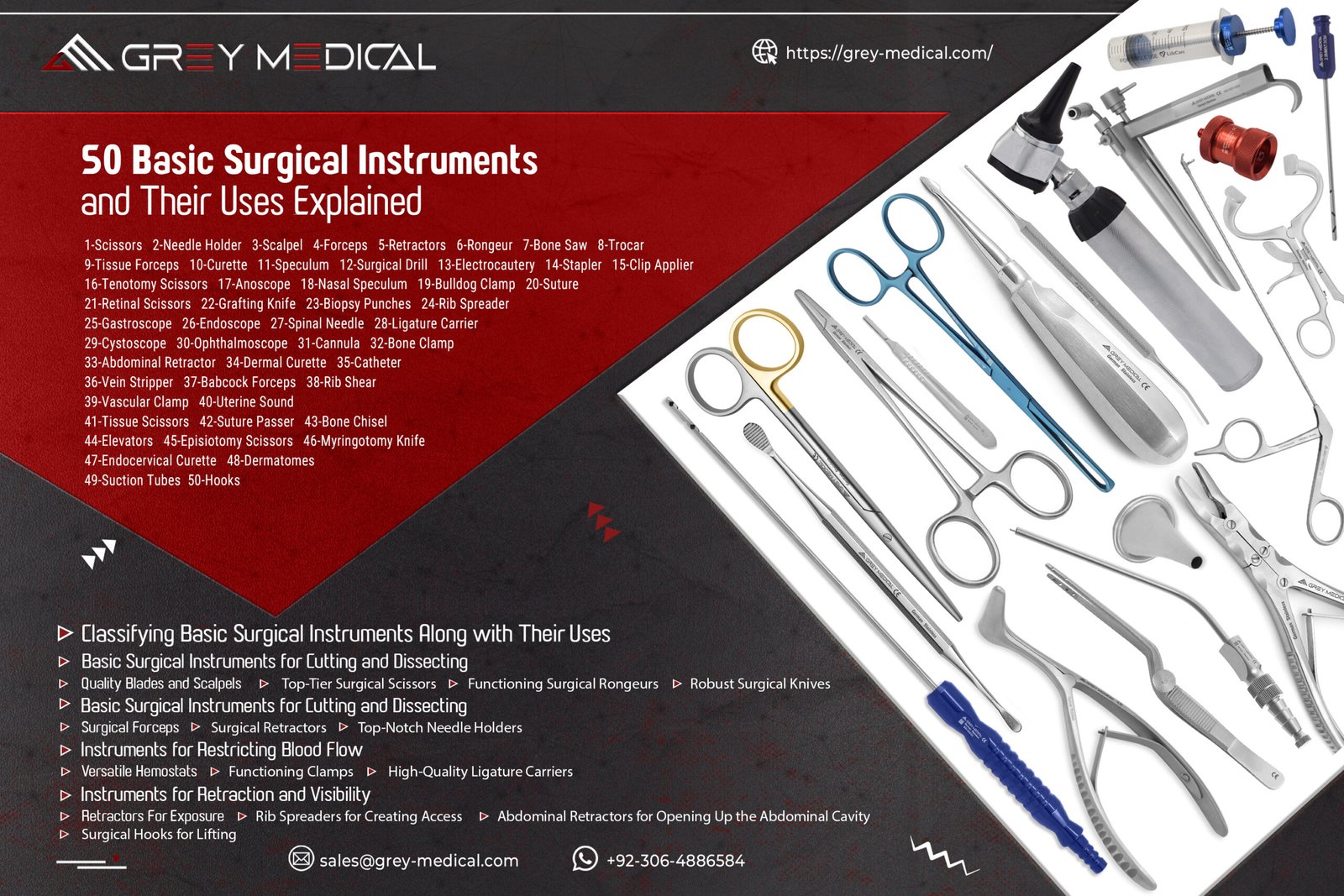
The Foundation: Cutting and Dissecting
The journey of most surgical procedures begins with an incision. Instruments designed for cutting and dissecting must be exceptionally sharp, durable, and precise. The most recognizable tool in this category is the scalpel, which consists of a reusable handle and a disposable blade. Scalpel blades come in various shapes and sizes, each tailored for a specific type of cut, from long, straight incisions to delicate, curved lines.
Beyond the scalpel, this group includes a variety of scissors. Surgical scissors are not like their household counterparts; they are crafted from high-grade stainless steel and designed for specific tasks. For instance, Mayo scissors are heavy-duty and used for cutting through tough tissues and fascia, while Metzenbaum scissors are more delicate, ideal for dissecting fine tissues with minimal trauma. The design of the tips—whether blunt, sharp, or curved—further refines their application, allowing surgeons to navigate complex anatomical landscapes with confidence. The quality of these initial-use instruments sets the tone for the entire operation.
Grasping and Holding: The Art of Control
Once an incision is made, surgeons need to manipulate tissues, hold organs in place, and manage blood vessels. This is where grasping and holding instruments come into play. Forceps are the quintessential tools in this category, acting as precise extensions of the surgeon's fingers. They come in two primary forms: tissue forceps and hemostatic forceps.
Tissue forceps, like Adson or DeBakey forceps, are used to grasp and handle tissue. They often feature fine teeth at the tips to provide a secure grip without causing unnecessary damage. The choice of forceps depends on the delicacy of the tissue being handled. Hemostatic forceps, or hemostats, are crucial for clamping blood vessels to control bleeding, a process known as hemostasis. Instruments like Kelly or Crile forceps have locking mechanisms that allow them to remain clamped without continuous pressure from the surgeon, freeing up their hands for other tasks. The ability to maintain a clear and controlled surgical field is paramount, and these grasping tools make that possible. The intricate designs within this category showcase the detailed thought put into surgery instruments.
Retraction: Creating a Clear View
Visibility is non-negotiable in surgery. Retractors are instruments designed to hold back tissues, organs, or the edges of an incision to expose the surgical site. Without effective retraction, surgeons would be working in a confined and obscured space, increasing the risk of complications. Retractors range from simple, handheld devices to complex, self-retaining systems.
Handheld retractors, such as the Army-Navy or Senn retractors, require an assistant to hold them in place throughout the procedure. They offer versatility and can be quickly repositioned. In contrast, self-retaining retractors, like the Weitlaner or Balfour retractors, have a locking mechanism that holds them open, providing continuous retraction without needing an extra pair of hands. This is particularly valuable in long and complex surgeries. The innovation in retractor design directly impacts the efficiency and safety of a procedure, giving the surgical team an unobstructed view of their work area.
The Importance of Quality and Innovation
The effectiveness of any surgical procedure is directly linked to the quality of the tools used. Inferior instruments can lead to tissue damage, instrument failure, or imprecise actions, all of which can have serious consequences for the patient. High-quality surgery instruments are defined by several key characteristics: superior materials, ergonomic design, and precision engineering. Medical-grade stainless steel is the standard, chosen for its durability, corrosion resistance, and ability to be sterilized effectively.
Companies at the forefront of medical technology understand that excellence is not optional. GreyMedical®, a privately owned medical technology company, exemplifies this commitment. With a dedication to innovation and excellence in the craft of surgical instruments, GreyMedical® focuses on creating tools that are not only reliable but also enhance the surgeon's capabilities. Ergonomics plays a huge role; an instrument that fits comfortably in the hand and responds intuitively reduces surgeon fatigue and improves control. This focus on marrying function with form is what drives progress in the field, ensuring that each tool performs flawlessly when it matters most.
Suturing and Closing: The Final Steps
After the primary objective of the surgery is complete, the process of closing begins. This involves another specialized set of tools designed for suturing and stapling. Needle holders are essential for grasping and guiding the suture needle through tissue with precision. Their jaws are specifically designed to hold the needle securely without damaging it, and like hemostats, they feature a locking mechanism to maintain a firm grip.
Surgical needles and sutures come in a vast array of types and sizes, selected based on the tissue being repaired. Alongside sutures, surgical staplers have become increasingly common for closing skin incisions and for internal anastomoses (connecting hollow structures). These devices offer speed and consistency, deploying a neat row of staples to bring tissues together. The final act of closing the surgical site is just as critical as the first incision, and having the right surgery instruments ensures a secure closure that promotes proper healing.
Conclusion
The world of surgery instruments is a testament to human ingenuity and the relentless pursuit of medical excellence. Each tool, from the simplest scalpel to the most complex retractor, is the result of decades of refinement and innovation. They are the silent, indispensable partners in every operating room, enabling surgeons to perform their life-saving work with greater precision, safety, and efficiency. As technology continues to advance, companies like GreyMedical® will continue to lead the way, crafting the next generation of instruments that will redefine the boundaries of surgical possibility and improve patient outcomes across the globe. The integrity of these tools is, and always will be, fundamental to the practice of medicine.













Facebook Conversations
Disqus Conversations