




A Guide to Essential Surgical Clamps
In the precise world of the operating room, every instrument plays a critical role in the success of a procedure. Among the most fundamental of these tools are surgical clamps. These instruments are indispensable for controlling bleeding, holding tissue, and providing a clear field of view for the surgeon. Their design and function are a testament to the detailed engineering required in medical technology.
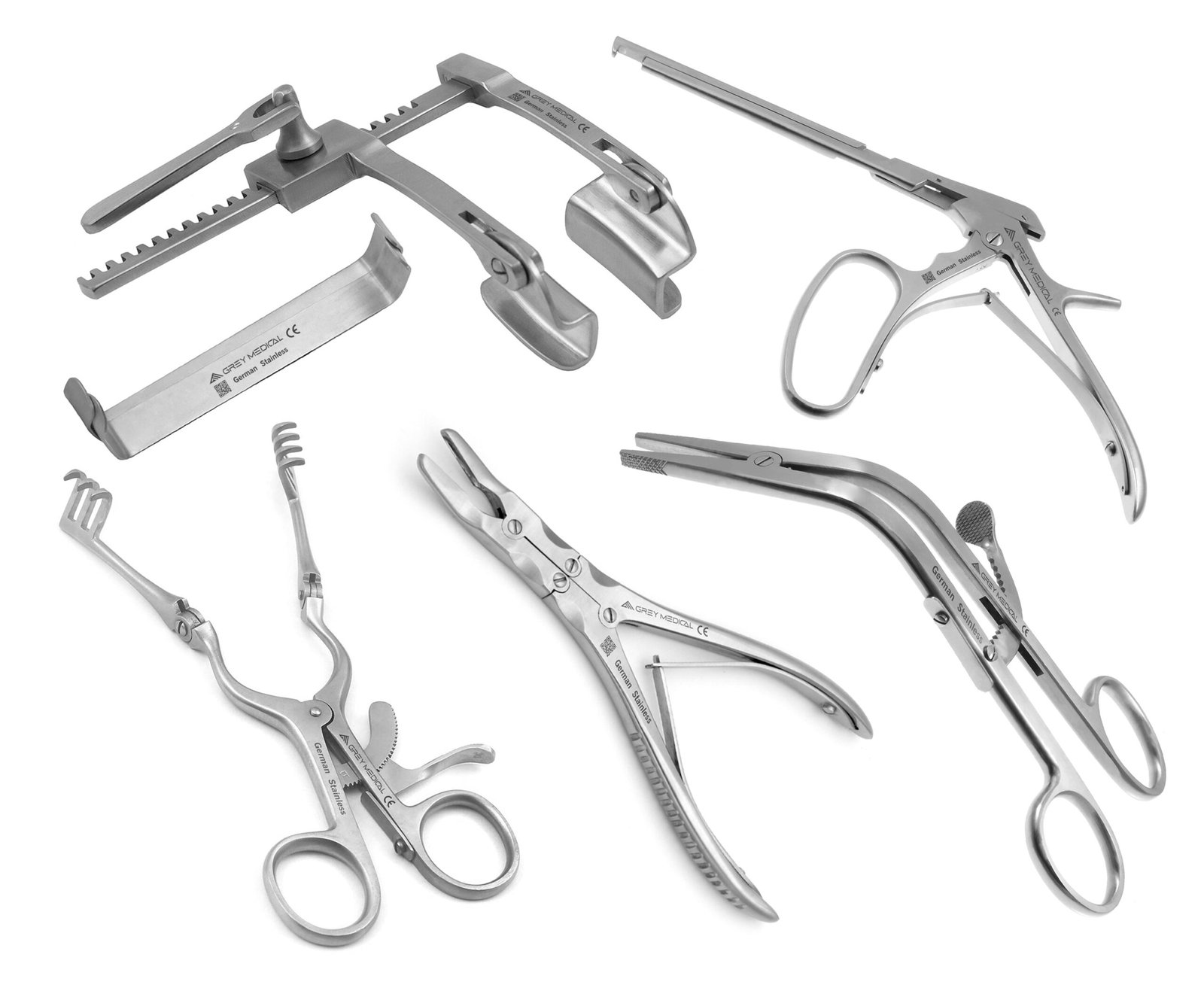
Understanding the Role of Surgical Clamps
At their core, surgical clamps are designed to securely grasp and hold objects. In surgery, this most often means occluding blood vessels to prevent hemorrhaging, a function known as hemostasis. By temporarily stopping blood flow, surgeons can operate with greater accuracy and safety. Beyond hemostasis, different clamps are used to hold tissues, needles, or even surgical drapes in place, demonstrating their versatility and importance. The quality of these instruments is paramount, which is why companies like GreyMedical®, a privately owned medical technology company, are dedicated to innovation and excellence in the craft of surgical instruments.
Common Types and Their Functions
The variety of surgical clamps available is vast, with each type designed for a specific purpose or part of the anatomy. Hemostatic forceps, often called hemostats, are perhaps the most recognized. Instruments like Kelly and Crile clamps feature locking mechanisms that allow them to hold onto tissue or vessels without needing constant pressure from the surgeon's hand. Another category is towel clamps, which are used to secure sterile drapes around the surgical site, maintaining a sterile environment. Aortic clamps, on the other hand, are much larger and are designed to occlude major arteries during complex cardiovascular procedures.
The Importance of Quality and Precision
The performance of surgical clamps directly impacts patient outcomes. A clamp that fails to hold securely could lead to significant complications. Therefore, the material, manufacturing process, and design are all critically important. High-grade stainless steel is often used for its durability and resistance to corrosion, ensuring the medical instrument can be sterilized and reused reliably. The intricate design of the jaws, whether serrated or toothed, is engineered for a firm but non-damaging grip on delicate tissues. The reliability of these tools allows surgical teams to perform their work with confidence.
Ultimately, the humble clamp is a cornerstone of modern surgery. The continuous refinement and specialization of surgical clamps reflect the ongoing advancements in medical procedures. From routine operations to complex, life-saving surgeries, these instruments are silent, essential partners to every surgeon, ensuring safety and precision with every use.














Facebook Conversations
Disqus Conversations