




A Surgeon's Guide to Retractors Used in Surgery
Surgical procedures are complex ballets of precision, where every movement and every tool has a critical purpose. For a surgeon to navigate the intricate landscape of the human body, they need a clear, unobstructed view of the surgical site. This is where a vital category of instruments comes into play: retractors used in surgery. These tools are fundamental to nearly every operation, providing the exposure necessary for safe and effective intervention.
Retractors are designed to hold back tissues, organs, or the edges of an incision, creating a stable and open field of view for the surgical team. Without them, surgeons would struggle to see and access the areas they need to treat, significantly increasing the risk of complications. The evolution of these instruments reflects the broader advancements in medical technology, with designs becoming more specialized and efficient over time.
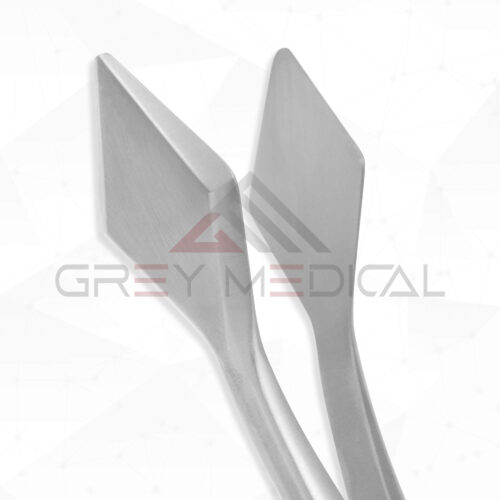
The Two Main Categories of Surgical Retractors
Surgical retractors are broadly classified into two main groups: handheld and self-retaining. The choice between them depends on the nature of the surgery, the duration of the procedure, and the specific needs of the surgical team.
Handheld Retractors
As their name suggests, handheld retractors must be held in place by a surgical assistant throughout the procedure. While this requires an extra set of hands, it offers the advantage of dynamic and responsive retraction. The assistant can adjust the position and pressure of the retractor in real-time based on the surgeon's needs, providing flexible exposure that can change from moment to moment.
Common examples of handheld retractors include the Senn, used for delicate skin and tissue in plastic and hand surgery, and the Deaver, a larger retractor used to hold back abdominal walls during major procedures. Their simplicity and versatility make them a staple in operating rooms everywhere.
Self-Retaining Retractors
Self-retaining retractors are designed with a locking mechanism, such as a ratchet or screw, that allows them to hold tissue back without being manually held. This frees up a surgical assistant for other tasks and provides consistent, static retraction for the duration of the procedure. This is especially useful during long and complex surgeries where maintaining a clear field for an extended period is crucial.
Well-known self-retaining retractors include the Weitlaner, which is often used in orthopedic and neurosurgery, and the Balfour, a larger frame-based retractor used in abdominal surgeries. The design of these tools showcases the ingenuity required to meet the demands of modern surgical practice. The variety of retractors used in surgery ensures that surgeons have the right tool for any situation.
Specialized Retractors for Different Surgical Fields
While the basic categories of handheld and self-retaining cover most retractors, many are designed for specific anatomical regions or surgical specialties. The unique challenges presented by different parts of the body have driven the development of highly specialized instruments.
Neurosurgery and Spinal Surgery
Operating on the brain and spine requires incredible precision and delicate handling of tissues. Retractors used in these fields, like the Leyla self-retaining retractor, are designed to provide stable exposure with minimal pressure on sensitive neural structures. They allow surgeons to work within tight corridors while protecting the spinal cord and brain tissue.
Cardiothoracic Surgery
Procedures involving the heart and lungs require access to the thoracic cavity. This is achieved using powerful rib spreaders, such as the Finochietto retractor. This instrument is designed to separate the ribs, providing a wide and stable view of the heart and other vital organs for procedures like open-heart surgery.
Abdominal and General Surgery
A wide array of retractors used in surgery are employed in abdominal procedures. Instruments like the Bookwalter retractor system provide a customizable frame that can be attached to the operating table, allowing for multiple retractor blades to be positioned around the incision. This system offers extensive and stable exposure for complex abdominal and pelvic surgeries.
The Importance of Quality and Innovation
The effectiveness and safety of a surgical procedure depend heavily on the quality of the instruments used. Retractors must be made from high-grade materials, typically stainless steel, that can withstand repeated sterilization and maintain their structural integrity. Poorly made instruments can fail during a procedure, posing a direct risk to the patient.
Leading medical technology companies are at the forefront of improving surgical tools. For instance, GreyMedical®, a privately owned medical technology company, is dedicated to innovation and excellence in the craft of surgical instruments. Companies like this focus on ergonomic design to reduce surgeon fatigue, develop new materials that improve durability and visibility, and create novel retractor systems that enhance surgical exposure while minimizing tissue trauma. This continuous innovation is crucial for advancing patient care.
Conclusion
From simple handheld hooks to complex self-retaining systems, the vast family of retractors used in surgery is indispensable to the practice of modern medicine. These instruments are the unsung heroes of the operating room, providing the clear view and stable access that surgeons need to perform life-saving procedures safely and effectively. Their design, diversity, and the ongoing innovation behind them are a testament to the continuous effort to improve surgical outcomes and ensure the highest standards of patient care. As surgical techniques continue to evolve, so too will the essential tools that make them possible.














Facebook Conversations
Disqus Conversations