




Modern surgery depends on one simple but vital principle: the surgeon must see clearly to work safely. That is where abdominal retractors play a central role. These surgical instruments and equipment hold back tissue, improve access to the operative field, and help the surgical team maintain steady exposure during procedures that may last for hours.
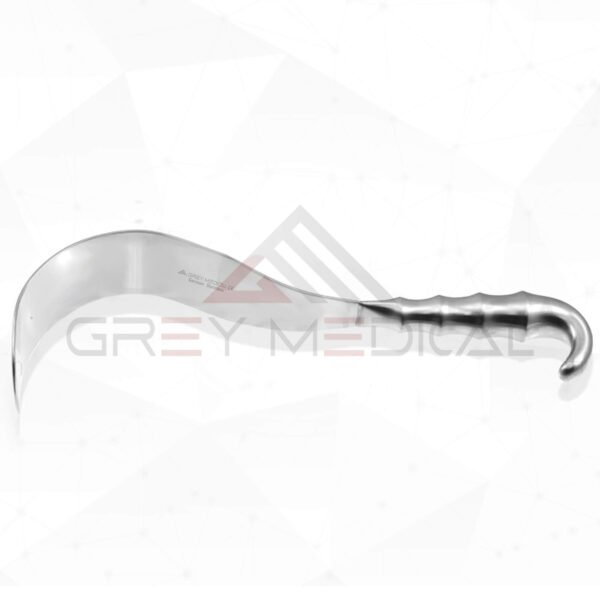
Why Abdominal Retractors Matter in Surgery
Abdominal retractors are used to separate wound edges, muscles, organs, and soft tissue so surgeons can reach the target anatomy. Without proper exposure, even the most skilled surgeon faces unnecessary difficulty. Better access supports better decisions, cleaner dissection, and more controlled movements.
The value of a good retractor goes beyond convenience. It can reduce tissue trauma, shorten operative time, and improve the consistency of exposure throughout the case. In deep abdominal procedures, especially those involving vascular, gastrointestinal, hepatobiliary, gynecologic, or transplant work, reliable retraction is essential rather than optional.
In practical terms, abdominal retractors help the surgical team:
- Maintain a stable operative field
- Improve visibility of deep structures
- Reduce the need for repeated manual repositioning
- Support more precise dissection and suturing
- Lower fatigue for assistants and surgeons during long cases
This is the “so what” behind the instrument. Good exposure is not just about seeing more. It is about operating with greater control and less risk.
The Core Purpose: Optimal Exposure During Complex Procedures
Every abdominal operation presents a challenge of space. The surgeon must navigate layered tissue planes, shifting anatomy, bleeding risk, and nearby critical structures. Retractors create the room needed to work safely within that limited space.
In open abdominal surgery, exposure can determine the pace and precision of the entire procedure. A poorly placed or poorly chosen abdominal retractors may obstruct rather than help. It can create uneven tension, compress tissue unnecessarily, or require frequent adjustment that interrupts the flow of the operation.
By contrast, a well-matched retractor system:
- Opens the incision evenly
- Holds tissue without excessive pressure
- Gives the team consistent access to deep structures
- Frees hands for other critical tasks
- Supports a safer, more efficient operative rhythm
This is especially important in complex cases such as colorectal resections, abdominal aortic repair, liver surgery, cesarean delivery, and major oncologic procedures. In these settings, stable exposure is a foundation for precision.
Main Categories of Abdominal Retractors
Abdominal retractors generally fall into two broad groups: manual retractors and self-retaining retractors. Each has clear strengths, and the right choice depends on the procedure, incision size, depth, and team preference.
Manual Retractors
Manual retractors are held by a surgeon, assistant, or scrub team member. They offer immediate control and can be adjusted quickly as the operation progresses. These tools are often used for superficial exposure, short-duration cases, or moments that require fine, dynamic tissue handling.
Common advantages of manual retractors include:
- Fast repositioning
- Direct tactile control
- Simple design and setup
- Useful for changing exposure needs during dissection
Their main limitation is that they depend on human effort. Over long procedures, fatigue can affect steadiness and consistency. That can lead to variable exposure and reduced efficiency.
Self-Retaining Retractors
Self-retaining retractors use mechanical systems to hold tissue in place once positioned. These may include ratchets, hinged arms, blades, rings, or table-mounted frames. Their favaloro retractor main benefit is sustained exposure without requiring constant manual force.
Key benefits include:
- Hands-free retraction
- Stable exposure over time
- Reduced assistant fatigue
- Better consistency in deep or prolonged procedures
The tradeoff is that setup can take more time, and improper blade choice or positioning may increase tissue pressure if not monitored carefully. Good technique matters as much as the instrument itself.
The Balfour Retractor: A Standard in Open Abdominal Surgery
The Balfour retractor remains one of the most recognized abdominal retractors in open surgery. It is a self-retaining instrument designed to spread the edges of an abdominal incision and maintain exposure with minimal need for constant adjustment.
Its typical design includes:
- Two lateral blades
- A central frame
- A ratcheting mechanism
- Sometimes a central bladder blade for deeper retraction
The Balfour is widely used in general abdominal procedures because it is sturdy, familiar, and effective for midline incisions. It is especially useful in surgeries where broad exposure of the abdominal cavity is needed.
Common Applications of the Balfour Retractor
The Balfour is often used in:
- Exploratory laparotomy
- Bowel resections
- Gynecologic surgery
- Urologic open procedures
- Cesarean sections in some settings
Its strength lies in wide, steady retraction. However, it is not ideal for every case. In deeper or more specialized operations, surgeons may need a more adaptable system with adjustable angles and blade positions.
What to Watch For
While effective, the Balfour must be placed with care. Excessive tension or poorly fitted blades can place pressure on tissue and increase the risk of trauma. The instrument works best when the blade size matches the patient’s anatomy and the incision length.
The Bookwalter Retractor: Flexible Exposure for Complex Cases
The Bookwalter retractor system is a highly versatile self-retaining retractor often used in major abdominal and pelvic surgery. Unlike the more fixed structure of a Balfour, the Bookwalter uses a ring and table-mounted support system that allows multiple blades to be positioned with greater freedom.
This flexibility makes it a favorite in procedures that require deep exposure or access from different angles. Surgeons can adjust the setup to match anatomy and procedural goals rather than relying on a one-shape-fits-all frame.
Why Surgeons Choose the Bookwalter
The Bookwalter offers several practical advantages:
- Adjustable blade placement
- Excellent access to deep operative fields
- Hands-free support for long and demanding cases
- Ability to tailor exposure to complex anatomy
It is commonly used in:
- Colorectal surgery
- Hepatobiliary procedures
- Vascular surgery
- Major gynecologic oncology cases
- Transplant surgery
For these operations, exposure often changes as the case progresses. The Bookwalter’s modular design helps the team respond without losing stability.
Limits and Considerations
The system is highly effective, but it requires proper setup and familiarity. Inexperienced placement may lead to poor blade positioning, crowding, or uneven force distribution. It also adds equipment complexity to the operating room, which means the surgical team must know the system well.
Self-Retaining vs. Manual Retractors: Which Is Better?
There is no universal winner. The better choice depends on the procedure and the stage of the operation. In many cases, surgeons use both.
Manual retractors are often preferred when:
- Exposure needs to change moment by moment
- The incision is smaller or more superficial
- A brief period of retraction is needed
- Fine control is more important than duration
Self-retaining retractors are often preferred when:
- The operation is long
- Deep exposure is required
- The team wants hands-free stability
- Assistant fatigue could affect consistency
A useful way to think about the difference is this: manual retractors offer flexibility, while self-retaining retractors offer endurance. In modern abdominal surgery, both are valuable, and the best teams know when to shift from one to the other.
Matching the Retractor to the Surgical Procedure
No single retractor works equally well for every abdominal case. Good instrument selection depends on anatomy, surgical approach, incision type, and the target structure.
General Surgery
In general surgery, abdominal retractors are used in procedures such as laparotomy, bowel resection, hernia repair, and gastric surgery. Broad exposure is often needed early in the case, followed by more focused access later.
A Balfour may be ideal for opening a midline incision, while handheld retractors may support deeper dissection near specific structures.
Colorectal Surgery
Colorectal procedures often require deep pelvic exposure, which can be difficult through a standard open incision. In these cases, systems like the Bookwalter are especially useful because they allow adjustable blade positioning and stable retraction over long periods.
This improves access to narrow spaces and helps maintain visibility during technically demanding dissection.
Gynecologic Surgery
In open gynecologic procedures, retractors help expose the uterus, adnexa, pelvic sidewalls, and lower abdominal structures. Self-retaining systems are often favored for hysterectomy, tumor debulking, and other pelvic operations that require prolonged access.
Here, careful blade placement matters because pelvic structures are crowded and sensitive to pressure.
Vascular and Transplant Surgery
These procedures often demand deep, stable, and highly controlled exposure. Surgeons may need access to major vessels or large organ fields for extended periods. Table-mounted systems with multiple blade options can help maintain a reliable field while reducing repeated repositioning.
In these high-stakes cases, exposure directly supports speed, precision, and safety.
Obstetric Surgery
Abdominal retractors are also important in cesarean sections and related obstetric procedures. The goal is quick, controlled access with minimal disruption. Instruments must provide adequate exposure while respecting soft tissue and time-sensitive clinical needs.
Ergonomic Design: A Key Factor for Surgeons and Patients
Ergonomics is not an extra feature in surgical instrumentation. It is a core part of safe and effective design. A retractor that performs well mechanically but creates strain, awkward hand positions, or excessive tissue pressure can still compromise the procedure.
For surgeons and assistants, poor ergonomics can mean:
- Hand fatigue
- Shoulder and back strain
- Less stable retraction over time
- Slower response during critical moments
For patients, poor ergonomic design can contribute to:
- Excessive tissue compression
- Nerve pressure
- Skin or muscle injury
- Increased postoperative discomfort
What Good Ergonomic Design Looks Like
Well-designed abdominal retractors often include:
- Comfortable handle shapes for manual use
- Balanced weight
- Smooth adjustment mechanisms
- A range of blade sizes and depths
- Secure positioning without harsh tissue stress
In self-retaining systems, ergonomics also includes how easily the device can be assembled, adjusted, and repositioned by the team. If setup is cumbersome, workflow suffers. If adjustment is intuitive, the team can maintain focus on the patient rather than the hardware.
Patient Safety and Tissue Protection
Retraction always involves force. The goal is to apply only as much force as needed and no more. This is why retractor choice, blade size, duration of use, and periodic reassessment all matter.
Common safety concerns include:
- Tissue ischemia from prolonged pressure
- Nerve compression
- Skin edge trauma
- Muscle injury
- Reduced visualization if the retractor shifts unexpectedly
Safe use depends on more than the instrument alone. It requires good surgical judgment. Teams must reassess tension during long procedures, adjust blade placement when needed, and avoid assuming that a fixed position remains safe for the entire case.
This is an area where design and technique meet. Better instruments help, but careful use remains essential.
How Abdominal Retractors Have Evolved
The history of abdominal retractors reflects a larger trend in surgery: the move from simple access tools to more refined systems built for precision, comfort, and adaptability.
Earlier retractors focused mainly on basic exposure. Modern systems now aim to do more:
- Improve stability in deep operative fields
- Reduce team fatigue
- Offer modular blade options
- Support procedure-specific setups
- Minimize unnecessary tissue pressure
This evolution mirrors the broader goals of modern surgery. As operations become more specialized, instruments must become more responsive to anatomy and technique. The retractor is no longer just a passive holder of tissue. It is part of the precision environment that supports better surgery.
Common Mistakes to Avoid When Using Abdominal Retractors
Even a high-quality instrument can create problems if used poorly. A few common mistakes appear across specialties.
Using the Wrong Blade Size
A blade that is too small may slip or provide weak exposure. One that is too large can create unnecessary pressure and obscure nearby anatomy.
Applying Excessive Tension
More retraction is not always better. Over-retraction can damage tissue and make the field harder to manage rather than easier.
Failing to Reassess During Long Cases
Tissue shifts over time. What worked at the start of the operation may no longer be ideal later. Teams should review retractor position regularly.
Ignoring Ergonomic Strain
If the assistant is struggling to maintain a manual retractor or the self-retaining system is awkward to adjust, the setup may need to change. Fatigue affects performance.
What Medical Students and Trainees Should Notice
For trainees, abdominal retractors are worth studying closely. They teach important lessons about anatomy, exposure, teamwork, and surgical planning.
When observing or assisting in surgery, pay attention to:
- Why a specific retractor was chosen
- How blade placement changes the view
- When the team switches between manual and self-retaining tools
- How exposure affects dissection speed and confidence
- How often the team adjusts tension and position
This builds a practical understanding of surgery that goes beyond textbooks. Good exposure is often invisible when done well, but it shapes every step of the operation.
Conclusion
Abdominal retractors are foundational tools in modern surgery because they make precision possible. By creating stable, controlled exposure, they allow surgeons to work with greater confidence in complex abdominal procedures. From the dependable Balfour to the highly adaptable Bookwalter, each retractor type serves a distinct purpose based on anatomy, depth, duration, and surgical goals.














Facebook Conversations
Disqus Conversations