




Precision is non-negotiable in surgery. A millimeter off, a slip of the hand, or the wrong instrument for the job can have serious consequences. That's why the tools surgeons choose matter enormously—and few instruments have stood the test of time quite like the forceps Cushing.
Named after the pioneering neurosurgeon Harvey Cushing, this specialized tissue forceps has been a staple in operating rooms for over a century. Its design is deceptively simple: fine, serrated tips built to grasp delicate tissue without causing unnecessary trauma. But simplicity, in this case, is the product of careful engineering—and that's exactly what makes it so effective.
This article explores what forceps Cushing are, how they're used, and why choosing the right manufacturer makes all the difference in surgical outcomes.
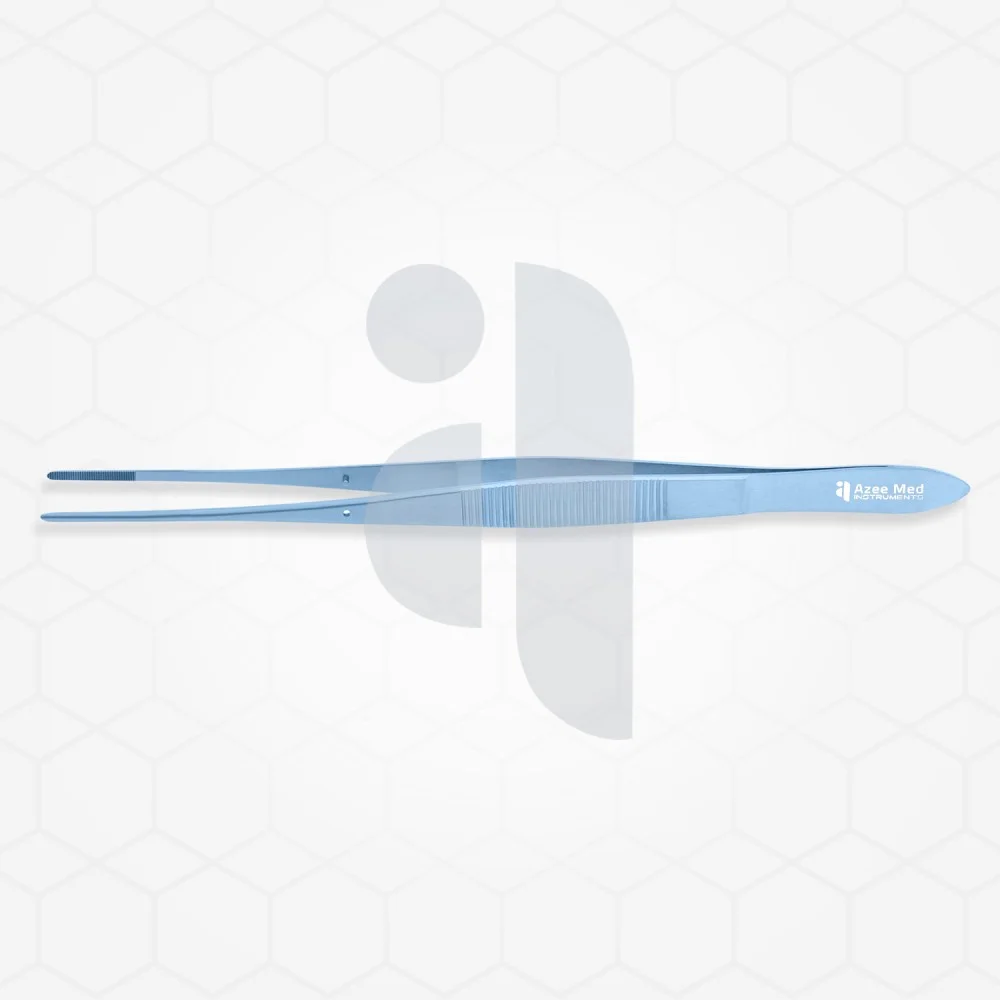
What Are Forceps Cushing?
Forceps Cushing are a type of thumb forceps used primarily in neurosurgery, though their application extends to other delicate procedures where tissue handling requires exceptional care. They feature a bayonet-style shaft that keeps the surgeon's hand out of the line of sight during deep tissue work—a critical advantage when operating in confined anatomical spaces like the skull or spinal column.
The tips are typically serrated or have fine teeth designed to grip soft tissue securely without tearing. This balance between grip strength and tissue preservation is what sets forceps Cushing apart from standard surgical forceps.
Available in various lengths and tip configurations, they can be adapted to a range of procedures. Shorter versions suit surface-level work, while longer variants are essential for deep cranial or spinal access.
How Forceps Cushing Are Used in Surgery
In neurosurgical procedures, forceps Cushing are most commonly used for grasping, retracting, and manipulating soft tissue—particularly the dura mater (the tough outer membrane surrounding the brain and spinal cord) and adjacent connective tissues.
Surgeons rely on them during tumor resections, where precision tissue handling is essential to avoid damaging surrounding neural structures. They are also used in vascular surgeries, spinal procedures, and any operation requiring controlled, gentle manipulation of fragile tissue.
The bayonet design isn't just about visibility. It also reduces hand fatigue during lengthy procedures, allowing surgeons to maintain steady control over extended periods. This ergonomic advantage is something experienced surgeons appreciate more with every hour spent in the operating theater.
Caliper Castroviejo and Precision Measurement in Surgery
No discussion of fine surgical instrumentation is complete without mentioning the caliper Castroviejo—a precision measuring instrument developed by the renowned Spanish ophthalmologist Ramon Castroviejo. Widely used in ophthalmic and microsurgery, this instrument allows surgeons to take highly accurate measurements of tissue, incisions, and anatomical structures during procedures.
The caliper Castroviejo is designed for situations where exact dimensions are critical—measuring corneal diameter, determining suture placement, or assessing tissue margins during reconstructive surgery. Like forceps Cushing, it represents the kind of refined, purpose-built instrument that separates functional tools from exceptional ones.
Both instruments share a common philosophy: when the stakes are high, precision engineering is not a luxury. It's a requirement.
What to Look for in High-Quality Surgical Forceps
Not all forceps Cushing are created equal. The quality of the instrument directly affects its performance in the operating room—and, by extension, patient outcomes. Here's what to evaluate when sourcing surgical forceps.
Material and Finish
Premium surgical instruments are manufactured from high-grade stainless steel, typically 316L or similar medical-grade alloys. This ensures durability, resistance to corrosion from repeated sterilization cycles, and a consistent finish that reduces the risk of contamination. Any pitting, rough edges, or uneven surfaces are red flags.
Tip Precision
The serrations or teeth on forceps Cushing must be symmetrical, sharp, and properly aligned. Misaligned tips compromise grip and can cause unintentional tissue trauma. In a field as exacting as neurosurgery, this level of detail is critical.
Ergonomics and Balance
A well-balanced instrument reduces hand strain and improves control during prolonged procedures. The weight distribution between the handle and shaft should feel natural in the hand, enabling confident, fatigue-free manipulation.
Sterilization Compatibility
All surgical instruments must withstand repeated autoclaving without degrading. High-quality forceps Cushing retain their structural integrity and surface finish through hundreds of sterilization cycles—an important consideration for facilities managing large instrument inventories.
Why Azeemed Instruments Sets the Standard
Sourcing surgical instruments from a trusted manufacturer is just as important as knowing which tools to use. Azeemed Instruments is dedicated to providing high-quality surgical tools that meet the needs of professionals across a range of specialties, from neurosurgery to ophthalmology and beyond.
Every instrument in the Azeemed catalog—including forceps Cushing—is manufactured to exacting standards, with strict quality control at every stage of production. The result is a range of instruments that surgeons can depend on, procedure after procedure.
For facilities that also require precision measurement tools, Azeemed's offering extends to instruments like the caliper Castroviejo, ensuring that surgical teams have access to everything they need from a single, reliable source. Fewer suppliers mean simpler procurement, more consistent quality, and stronger long-term relationships.
Caring for Your Surgical Instruments
Even the finest instruments require proper care to perform at their best. A few maintenance principles are worth keeping in mind.
Clean immediately after use. Residual blood and tissue can dry and corrode instrument surfaces if left untreated. Instruments should be rinsed and cleaned as soon as possible after each procedure.
Use appropriate sterilization methods. Steam autoclaving is the standard for most stainless steel instruments, including forceps Cushing. Always follow the manufacturer's recommendations to avoid damage.
Inspect regularly. Before each use, inspect the tips for alignment, check for signs of corrosion or pitting, and verify that the instrument opens and closes smoothly. Any instrument showing signs of wear should be removed from rotation.
Store correctly. Instruments should be stored in a way that protects the tips from contact with other metal surfaces. Dedicated instrument trays or pouches help preserve tip integrity between uses.
Choosing the Right Instruments for Your Practice
Selecting surgical instruments is a decision that deserves careful thought. The needs of a neurosurgery department differ from those of an ophthalmology clinic, and the right instrument for one procedure may not be suitable for another.
For procedures involving delicate tissue manipulation at depth, forceps Cushing remain one of the most effective tools available. For precise measurement tasks—particularly in ophthalmic or reconstructive procedures—the caliper Castroviejo is a natural complement.
The key is working with a manufacturer who understands these nuances and produces instruments that reflect them. Azeemed Instruments brings that expertise to every product in its range, combining technical precision with a deep understanding of what surgical professionals actually need.
The Right Tools Make the Difference
Surgical outcomes depend on many factors: the surgeon's skill, the clinical environment, the patient's condition. But the instruments used are a foundation that everything else is built on. Forceps Cushing have earned their place in operating rooms around the world because they deliver what surgeons need—control, precision, and reliability—without compromise.
When you source your instruments from a manufacturer like Azeemed Instruments, you're not just purchasing tools. You're investing in consistency, quality, and the confidence that comes from knowing your equipment won't let you down when it matters most.
Explore the full Azeemed Instruments range today and discover why surgical professionals trust their tools for even the most demanding procedures.













Facebook Conversations
Disqus Conversations