




Antique gold jewelry often carries a value far beyond its precious metal content. While many sellers assume that a gold buyer only evaluates the weight and purity of gold, experienced professionals also consider historical significance, craftsmanship, rarity, and gemstone quality. Understanding how a gold buyer determines value can help you avoid underselling treasured pieces and maximize your return.
The difference between scrap value and collector value can be substantial. A simple antique ring may be worth hundreds or even thousands more than its melt value if it possesses unique historical or artistic appeal. This guide explains the factors buyers use to assess antique gold jewelry and provides practical tips to help you secure the best possible price.
Determining Metal Purity and Karat
The first step in evaluating antique gold jewelry is confirming the purity of the gold itself. Buyers need to establish exactly how much precious metal is present before considering any additional value.
Visual Inspections and Hallmarks
Professional buyers begin with a visual inspection. Antique jewelry often contains hallmarks or stamps that indicate gold content. Common markings include:
-
14K (58.3% pure gold)
-
18K (75% pure gold)
-
22K (91.6% pure gold)
-
750 (European marking for 18K gold)
These marks are typically found inside rings, near necklace clasps, or on bracelet fasteners. Buyers also inspect the piece for signs of wear that may reveal whether it is solid gold or merely gold-plated.
Warning signs of plated or counterfeit gold include:
-
Discoloration beneath the surface
-
Flaking or peeling gold layers
-
Missing or suspicious hallmarks
-
Uneven coloring in worn areas
Because antique jewelry can be decades or even centuries old, markings may be partially worn, requiring further testing.
Scientific Testing Methods
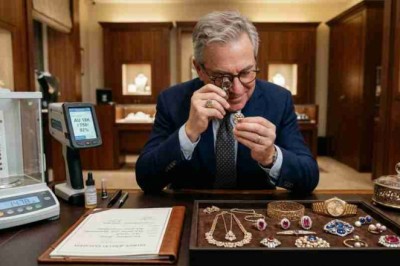
Visual inspection alone is rarely enough. Most professional buyers use scientific testing methods to verify authenticity.
Acid Scratch Tests: A traditional method where a small sample is tested against acid solutions designed for specific karat levels.
XRF (X-Ray Fluorescence) Scanners: Modern buyers increasingly rely on XRF technology because it provides fast, accurate, and non-destructive analysis of metal composition.
Electronic Gold Testers: In 2026, advanced electronic testers remain popular for preliminary verification. These devices measure conductivity to estimate purity levels without damaging the jewelry.
Combining multiple testing methods ensures accurate results and builds confidence in the valuation process.
Weighing the Raw Material
After confirming purity, buyers determine the weight of the gold.
Professional appraisers use calibrated digital scales capable of measuring fractions of a gram. Any non-gold components, such as gemstones, enamel, or decorative inserts, are separated from the calculation whenever possible.
The resulting gold weight is multiplied by the current spot price and adjusted for purity to determine the approximate melt value. This figure establishes a baseline before any collector premium is added.
Assessing Artistic and Historical Value
For antique jewelry, historical significance can dramatically increase value beyond gold content alone.
Identifying the Era
Different design periods command different levels of market interest. Experienced buyers examine stylistic details to identify the era of manufacture.
Victorian Era (1837–1901):
-
Romantic motifs
-
Floral patterns
-
Colored gemstones
-
Intricate handcrafting
Art Nouveau (1890–1910):
-
Flowing organic lines
-
Nature-inspired designs
-
Enamel work
-
Feminine themes
Art Deco (1920–1939):
-
Geometric shapes
-
Bold symmetry
-
Platinum and gold combinations
-
Strong architectural influences
For example, a geometric Art Deco ring from the 1920s may command a significant premium due to strong collector demand, while a mass-produced 1950s cocktail ring may be valued primarily for materials and design appeal.
Rarity and Provenance
Provenance refers to the documented history of ownership and origin. Jewelry with verifiable provenance often attracts collectors willing to pay premium prices.
A recognized maker's mark can significantly increase value. Pieces created by renowned luxury houses such as Cartier or Tiffany & Co. frequently sell for far more than comparable unbranded items.
Documentation that may increase value includes:
-
Original purchase receipts
-
Certificates of authenticity
-
Historical photographs
-
Original presentation boxes
-
Estate records
In rare cases, documented connections to royalty, celebrities, or historical figures can multiply a piece's market value.
Condition and Wear
Condition remains one of the most important factors in valuation.
Buyers distinguish between desirable vintage patina and actual damage. Natural aging can enhance authenticity, while structural issues reduce value.
Common concerns include:
-
Worn-down prongs
-
Thin ring shanks
-
Broken clasps
-
Missing decorative elements
-
Excessive repairs
Sometimes restoration can increase value, but in other cases collectors prefer original condition. Sellers should seek professional advice before making repairs.
Evaluating Gemstones and Accents
Many antique gold pieces contain gemstones that may contribute significantly to overall value.
The Four Cs of Antique Stones
When evaluating diamonds and other gems, buyers consider the traditional Four Cs:
-
Cut
-
Color
-
Clarity
-
Carat Weight
Antique diamonds often feature old mine cuts or old European cuts. While these differ from modern brilliant cuts, collectors frequently value them for their historical character and craftsmanship.
Buyers also determine whether stones are natural or synthetic. Natural stones generally command higher prices, especially in antique settings.
Even subtle differences in color and weight can influence the final offer substantially.
Identifying Rare Gem Combinations
Certain gemstone combinations are particularly desirable in antique jewelry.
Examples include:
-
Rubies paired with yellow gold
-
Emerald and diamond clusters
-
Sapphire accents in Victorian settings
-
Seed pearls in antique brooches
-
Natural coral in period jewelry
Interestingly, some antique stones that would be considered imperfect by modern standards actually enhance authenticity and collector appeal.
Experienced buyers understand that historical significance often outweighs modern gemstone grading expectations.
Stability and Security
Beyond quality, buyers assess whether gemstones remain securely mounted.
They inspect:
-
Loose stones
-
Missing stones
-
Damaged settings
-
Bent prongs
-
Cracked or chipped gems
Structural issues may require costly repairs, reducing the amount a buyer is willing to pay. However, rare or historically significant pieces can still command strong offers despite minor imperfections.
Market Demand and Pricing Trends
Market conditions heavily influence antique jewelry values.
Current 2026 Market Data
The antique jewelry market continues to benefit from growing consumer interest in sustainability and pre-owned luxury goods.
Many buyers actively seek pre-loved jewelry because it offers unique designs, historical character, and environmental benefits compared to newly manufactured pieces.
At the same time, inflation and global economic conditions continue to influence gold spot prices. When gold prices rise, the baseline value of antique gold jewelry often increases as well.
Strong demand for sustainable luxury and collectible assets has helped support premium pricing for exceptional antique pieces throughout 2026.
Scrap vs. Resale Value
One of the most important decisions sellers face is whether to accept a scrap offer or pursue collector pricing.
Sell for Scrap Value When:
-
The piece is heavily damaged.
-
Historical significance is minimal.
-
Repair costs exceed added value.
-
Demand for the style is low.
Seek Collector Value When:
-
The piece is rare.
-
It has a recognized maker.
-
Historical documentation exists.
-
Unique craftsmanship is evident.
| Value Type | Basis of Pricing |
|---|---|
| Scrap Value | Gold weight and purity |
| Resale Value | History, craftsmanship, rarity, gemstones, and market demand |
Collector pricing can exceed scrap value by several multiples when the right buyer is found.
Buyer Profiles
Different buyers specialize in different aspects of antique jewelry.
Private Collectors
-
Often pay the highest premiums.
-
Interested in rarity and historical significance.
Pawn Shops
-
Usually focus on quick resale and gold value.
-
May offer lower prices.
Estate Jewelers
-
Specialize in antique and vintage pieces.
-
Often provide more accurate historical valuations.
Understanding buyer motivations can improve your negotiation strategy and increase your final payout.
Actionable Steps for Sellers
Preparation can make a significant difference in the offers you receive.
Pre-Sale Checklist
Before seeking quotes:
-
Clean jewelry gently using mild soap and water.
-
Avoid harsh chemical cleaners.
-
Gather certificates and receipts.
-
Locate original boxes and documentation.
-
Research current gold spot prices.
-
Take clear photographs of hallmarks and maker's marks.
Well-documented pieces often receive stronger offers.
Asking the Right Questions
When meeting a buyer, ask:
-
"Is this offer based on weight or artistry?"
-
"What specific marks influenced this valuation?"
-
"Can you explain how you determined the purity?"
-
"What market rate are you using today?"
-
"Do you believe this piece has collector value?"
Knowledgeable buyers should be willing to explain their evaluation process.
Comparing Offers
Never accept the first offer without comparison.
Instead:
-
Obtain at least three independent quotes.
-
Request written valuations when possible.
-
Compare both scrap and collector offers.
-
Review contracts carefully.
Red flags include:
-
Pressure to sell immediately
-
Refusal to explain pricing
-
Unclear contract language
-
Offers significantly below market norms
A lowball offer often focuses only on gold weight while ignoring historical and artistic value.
Conclusion
Antique gold jewelry is evaluated through a combination of metal purity, craftsmanship, historical significance, gemstone quality, and market demand. While gold content establishes a foundation for value, collector interest and rarity can dramatically increase what a piece is worth.
Understanding how buyers assess antique jewelry empowers you to negotiate confidently and recognize when an offer fails to reflect a piece's true value. Whether you own a Victorian brooch, an Art Deco ring, or a family heirloom with documented history, knowledge remains your strongest asset.
Before selling, take a closer look at your jewelry box. You may discover that what appears to be ordinary old gold is actually a hidden treasure waiting to be recognized.











Facebook Conversations
Disqus Conversations