




In the precise world of gastrointestinal surgery, the control and temporary closure of the bowel are critical for successful outcomes. Surgeons rely on specialized instruments to manage tissues delicately yet firmly, preventing contamination and ensuring patient safety. Among the most vital of these tools are bowel clamps, designed specifically to occlude the lumen of the intestine without causing damage. Understanding their function, types, and the importance of quality manufacturing is essential for any surgical professional. Azeemed Instruments is dedicated to providing high-quality surgical tools that meet the rigorous demands of modern operating rooms, ensuring every procedure is supported by instruments of the highest caliber.
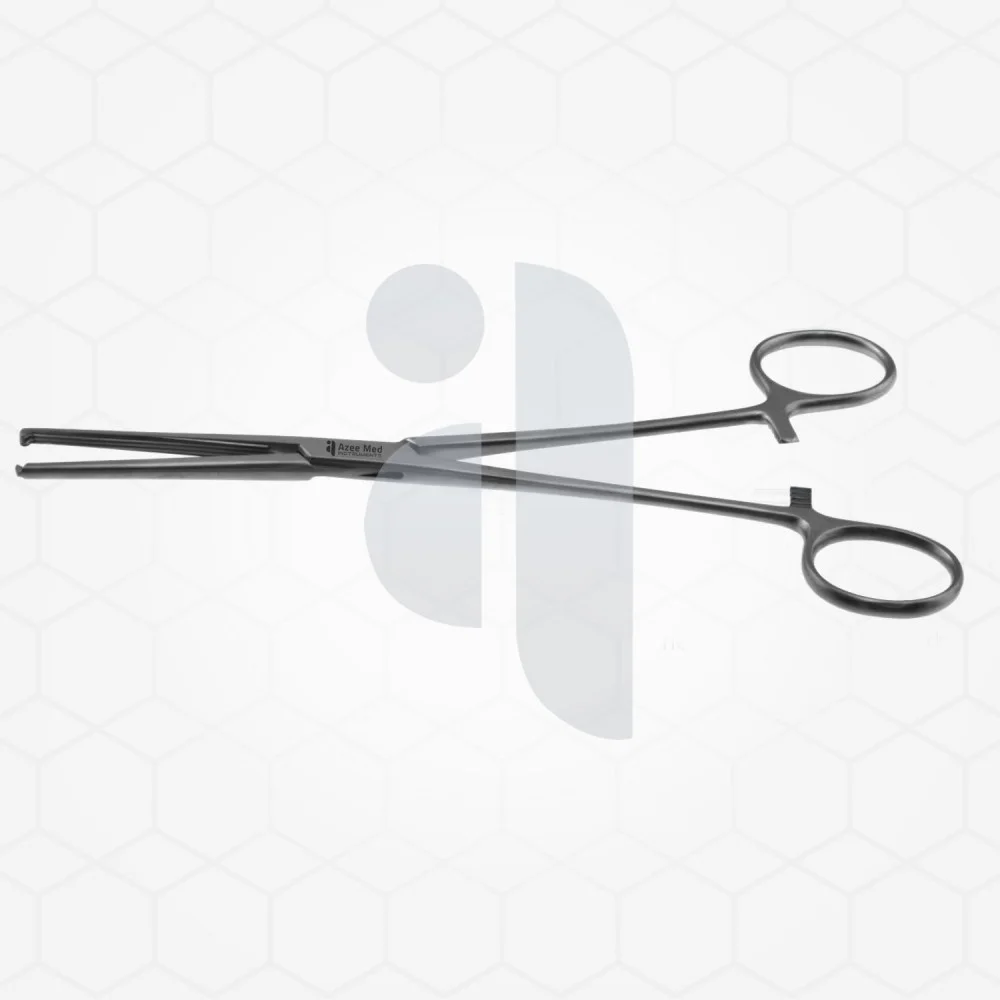
The Role of Bowel Clamps in Surgical Procedures
During abdominal surgeries, such as resections or anastomoses, surgeons must be able to isolate sections of the intestine. This is where bowel clamps become indispensable. Their primary function is to gently compress the intestinal walls, stopping the flow of contents and preventing spillage into the abdominal cavity, which could lead to severe infections like peritonitis. Unlike a standard hemostat clamp, which is designed for occluding blood vessels, these instruments feature atraumatic serrations and flexible jaws that distribute pressure evenly, preserving the delicate tissue and its blood supply. The design ensures that once the clamp is removed, the tissue can return to its normal state without injury, promoting better healing.
Choosing the Right Instrument for the Job
Not all intestinal clamps are created equal. They come in various shapes and sizes, each suited for different parts of the gastrointestinal tract and specific surgical needs. Straight or curved jaws, flexible or rigid shanks, and different lengths are all factors surgeons consider when selecting the appropriate tool. For instance, Doyen and Kocher intestinal clamps are common choices, each offering unique advantages. The selection process is critical, as using the wrong instrument can lead to tissue trauma or ineffective occlusion. This underscores the need for a comprehensive range of high-quality bowel clamps that surgeons can trust for any scenario they may encounter.
The Importance of Quality and Precision
The performance of a surgical instrument directly impacts patient outcomes. For a tool as crucial as a bowel clamp, quality is non-negotiable. This means using medical-grade stainless steel that resists corrosion and can withstand repeated sterilization cycles without degrading. Precision engineering ensures that the clamp’s locking mechanism is reliable and its jaws align perfectly to provide consistent, gentle pressure. Azeemed Instruments is committed to this level of excellence, producing surgical tools that professionals can depend on for their durability, reliability, and atraumatic design. Our focus is on supporting surgeons by providing instruments that perform flawlessly under pressure.
Maintaining Surgical Instruments for Longevity
Proper care and maintenance are vital for extending the life of surgical instruments and ensuring they remain safe for use. After each procedure, bowel clamps must be thoroughly cleaned, disinfected, and sterilized according to hospital protocols and manufacturer guidelines. Regular inspection for signs of wear, such as cracks, rust, or a faulty ratchet mechanism, is crucial. Any damaged instrument should be immediately removed from service to prevent surgical complications. By investing in well-made instruments and adhering to strict maintenance routines, healthcare facilities can ensure they have reliable tools ready for every operation, safeguarding both the patient and the surgical team.














Facebook Conversations
Disqus Conversations