




The Precision Behind Vision: A Guide to Ophthalmology Surgical Equipment
Vision is one of our most precious senses, and the medical field dedicated to protecting it, ophthalmology, relies on some of the most advanced technology available. The intricate nature of eye surgery demands unparalleled precision, sterility, and reliability from every tool used. Understanding the world of ophthalmology surgical equipment is the first step in appreciating the delicate balance of skill and technology that restores and preserves sight for millions of people every year. These instruments are not just tools; they are extensions of a surgeon's hands, enabling procedures that were once considered impossible.
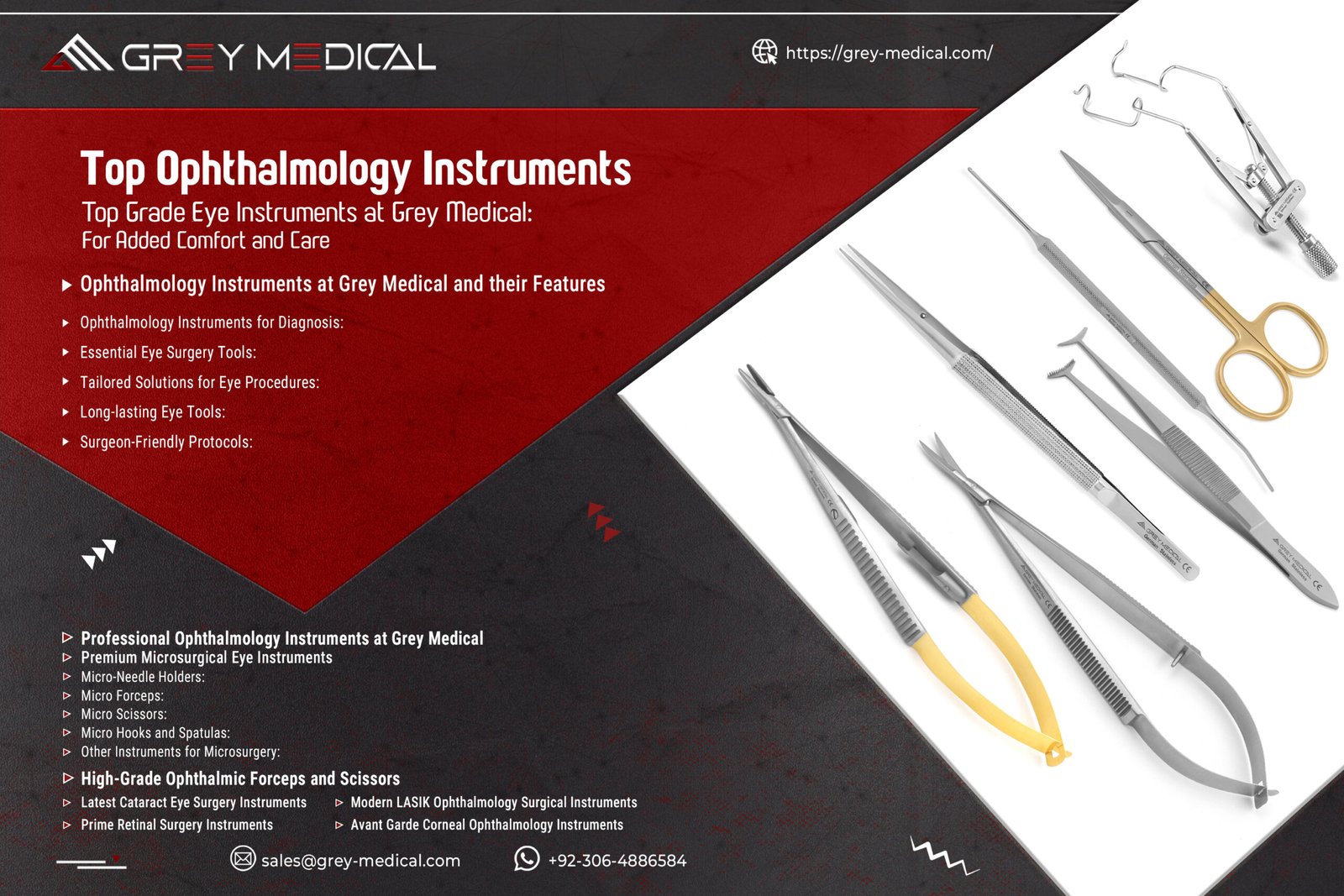
Core Instruments in Ophthalmic Surgery
Ophthalmic procedures require a wide array of specialized tools, each designed for a specific function. These instruments can be broadly categorized based on their role during an operation, from making initial incisions to suturing the eye with microscopic precision.
Instruments for Incision and Dissection
Creating clean, precise incisions is the first critical step in most eye surgeries. Instruments like microkeratomes and diamond knives are engineered to cut corneal tissue with minimal trauma. Forceps and scissors, designed on a micro-scale, allow surgeons to grasp, hold, and dissect delicate tissues like the iris or lens capsule. The materials used, often stainless steel or titanium, are chosen for their durability and ability to maintain a sharp edge. The evolution of these fundamental tools has dramatically improved safety and recovery times for patients.
The Role of Phacoemulsification Systems
Cataract surgery is one of the most common surgical procedures performed worldwide. At its heart is the phacoemulsification system, a remarkable piece of ophthalmology surgical equipment that has revolutionized the treatment of cataracts. This technology uses ultrasonic energy to break up the clouded lens into tiny fragments, which are then gently suctioned from the eye. Modern systems offer surgeons incredible control over fluid dynamics and energy delivery, enhancing safety and allowing for smaller, self-sealing incisions. This innovation means patients experience quicker visual recovery and fewer complications.
Advanced Technology in Modern Eye Surgery
The field of ophthalmology is constantly advancing, with new technologies emerging that push the boundaries of what is possible. Lasers and advanced imaging systems are now standard in many operating rooms, providing surgeons with enhanced visualization and greater precision.
Femtosecond Lasers and Their Impact
Femtosecond lasers represent a significant leap forward in ophthalmic surgery. These lasers deliver ultra-short pulses of energy, allowing surgeons to create highly precise corneal incisions, segment the lens, and perform other critical steps without a physical blade. In procedures like LASIK and certain cataract surgeries, femtosecond lasers automate parts of the operation, increasing predictability and consistency. Their integration into the surgical workflow showcases how technology continues to refine and improve patient outcomes.
Visualization and Diagnostic Tools
A surgeon can only treat what they can see. High-powered surgical microscopes are essential, providing magnified, stereoscopic views of the surgical field. Furthermore, integrated imaging technologies, like Optical Coherence Tomography (OCT), allow surgeons to see real-time, cross-sectional images of eye tissues during the procedure. This intraoperative feedback helps guide surgical maneuvers with an unprecedented level of accuracy, ensuring the best possible results when using ophthalmology surgical equipment.
The Importance of Quality and Innovation
The performance of any surgical instrument is directly tied to the quality of its design and manufacturing. In a field as delicate as eye surgery, there is no room for error. This is where the commitment of manufacturers plays a crucial role. Companies that prioritize innovation and excellence ensure that surgeons have the best possible tools.
One such leader in the field is GreyMedical®, a privately owned medical technology company dedicated to innovation and excellence in the craft of surgical instruments. Their focus on superior craftsmanship ensures that each piece of ophthalmology surgical equipment meets the rigorous demands of modern surgery. This dedication to quality is essential for providing surgeons with the confidence they need to perform complex procedures. The partnership between skilled surgeons and innovative manufacturers is what drives progress in vision care.
Conclusion
The landscape of eye surgery is a testament to human ingenuity. From basic scalpels to sophisticated laser systems, ophthalmology surgical equipment is the foundation upon which surgeons build their success. The continuous evolution of these instruments, driven by companies like GreyMedical®, has made vision-restoring procedures safer, faster, and more effective than ever before. As technology continues to advance, we can expect even greater innovations that will further enhance the ability of surgeons to protect and restore the precious gift of sight.














Facebook Conversations
Disqus Conversations