




When it comes to upgrading your home’s exterior, choosing the right material can feel like a daunting task. The market is flooded with options, but two heavyweights consistently dominate the conversation: composite cladding and vinyl siding. Homeowners frequently find themselves weighing the pros and cons of composite cladding vs vinyl to determine which investment will yield the best long-term results. While both materials serve the primary purpose of protecting your home from the elements and enhancing curb appeal, they differ significantly in composition, durability, aesthetics, and overall value.
Understanding the Material Composition
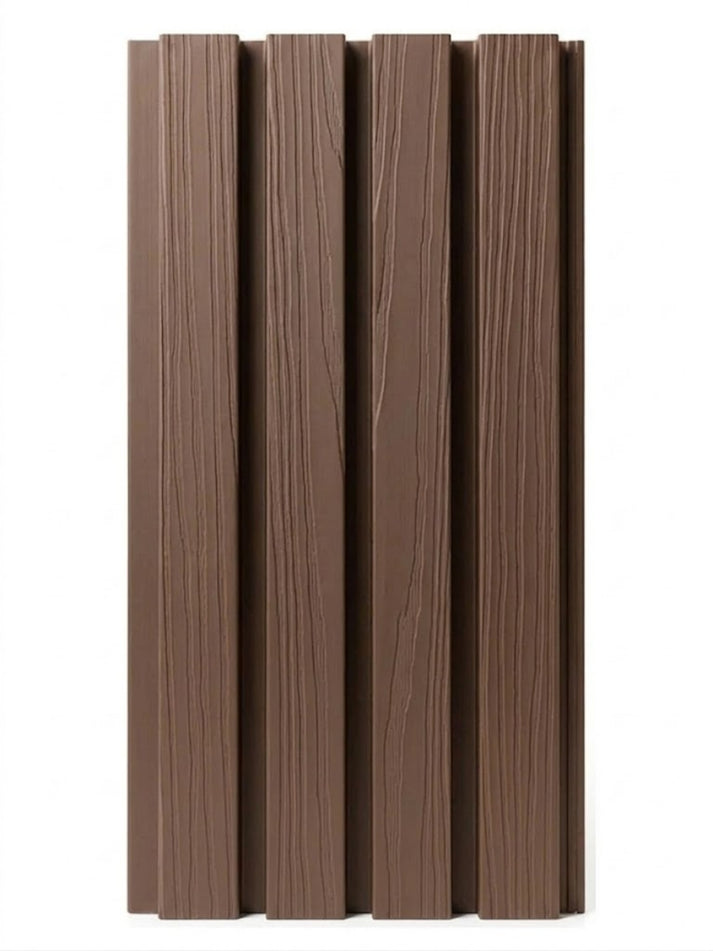
To make an informed decision, it is essential to look at what these materials are actually made of. Vinyl siding is engineered primarily from polyvinyl chloride (PVC) resin, a lightweight plastic that is molded into panels designed to mimic traditional wood laps. On the other hand, composite cladding is a much more robust material, typically manufactured from a blend of recycled wood fibers and dense plastics. This structural difference is the main driver behind how each material performs over time, defining the core differences in the composite cladding vs vinyl debate.
Durability and Lifespan in Harsh Weather
When evaluating how these materials withstand the elements, composite options generally take the lead. Vinyl siding is notoriously susceptible to extreme temperature fluctuations; it can become brittle and crack in freezing winter weather or warp and fade under intense summer sun. Composite cladding, by contrast, leverages its dense wood-plastic blend to offer superior impact resistance against hail, windblown debris, and daily wear and tear. Furthermore, it resists the thermal expansion and contraction that often plagues vinyl, making the comparison of composite cladding vs vinyl a clear victory for composites regarding structural longevity.
Visual Appeal and Architectural Elegance
Aesthetics play a massive role in standard home renovations, and the two materials offer vastly different visual textures. Vinyl siding has come a long way, but it often retains a distinctively plastic sheen and features hollow backings that can feel flimsy to the touch. Composite cladding provides a premium, high-end look that closely mirrors authentic timber, complete with deep, realistic grain patterns and a solid, heavy-duty profile. For homeowners who prioritize a sophisticated architectural finish that elevates property value, analyzing composite cladding vs vinyl visually reveals that composite offers a much more convincing wood alternative without the maintenance headaches of real timber.
Upfront Costs and Long-Term Value
Budget is almost always the deciding factor in exterior remodeling projects, requiring a careful look at both immediate costs and long-term returns. Vinyl is undeniably the more budget-friendly option upfront, making it highly attractive for quick flips or tight budgets. However, because vinyl is prone to damage and typically needs to be replaced much sooner, the long-term cost-effectiveness shifts. Composite cladding demands a higher initial investment, but its virtually maintenance-free lifespan—spanning decades without the need for painting, sealing, or frequent repairs—means it often proves to be the more economical choice over time when analyzing the financial realities of composite cladding vs vinyl.













Facebook Conversations
Disqus Conversations