Many people search for proper hand deformities treatment when they start noticing stiffness, unusual finger shapes, weakness, or difficulty in using their hands. Understanding the causes, diagnosis, and recovery options can help patients take the right steps at the right time.
In this article, we will explain everything in simple language so that you can clearly understand what hand deformities are, why they happen, and how they can be treated effectively.
What Are Hand Deformities?
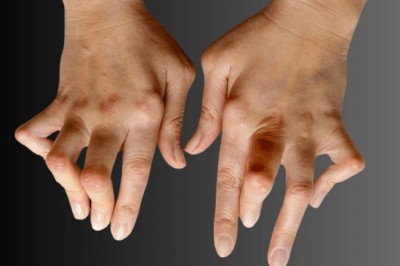
Hand deformities refer to abnormal changes in the shape, structure, or function of the hand. These changes can affect fingers, joints, bones, muscles, tendons, or even nerves.
Some deformities are present from birth, while others develop later in life due to injury or disease. In many cases, early treatment can prevent the condition from getting worse.
Hand deformities may affect:
- Finger movement
- Grip strength
- Hand appearance
- Daily activities like writing or holding objects
Even small deformities can create discomfort if not treated properly.
Common Causes of Hand Deformities
There are several reasons why hand deformities develop. Understanding the cause helps doctors choose the right treatment plan.
1. Birth Defects
Some people are born with hand abnormalities. These may include extra fingers, missing fingers, or curved fingers. These conditions develop during fetal growth.
2. Injuries
Accidents, fractures, burns, or deep cuts can damage bones and tissues. If healing does not happen correctly, it may lead to deformity.
3. Arthritis
Conditions like rheumatoid arthritis can slowly damage joints in the hand. This may cause swelling, stiffness, and finger deformities over time.
4. Nerve Damage
When nerves in the hand are injured, muscles may weaken or stop working properly, leading to abnormal hand posture.
5. Infections
Severe infections can damage tissues and bones if not treated early.
6. Genetic Conditions
Some genetic disorders affect bone and muscle development, which may lead to deformities in the hands.
Types of Hand Deformities
Hand deformities can appear in different forms. Each type affects the hand in a unique way.
1. Finger Deformities
These include bent, curved, or shortened fingers. Conditions like “trigger finger” or “claw hand” fall under this category.
2. Joint Deformities
Joints may become stiff, swollen, or misaligned. Arthritis is a common cause.
3. Bone Deformities
Bones may grow in an abnormal shape or become misaligned due to injury or disease.
4. Tendon Problems
Tendons connect muscles to bones. When they are damaged, finger movement becomes limited or painful.
5. Soft Tissue Deformities
These include skin tightening, scar formation, or muscle loss after burns or injuries.
Symptoms of Hand Deformities
Symptoms depend on the type and severity of the condition. Some common signs include:
- Pain in hand or fingers
- Difficulty in movement
- Weak grip strength
- Swelling or stiffness
- Visible change in hand shape
- Tingling or numbness
- Trouble performing daily tasks
If any of these symptoms continue for a long time, medical evaluation is necessary.
How Hand Deformities Are Diagnosed
Doctors use several methods to understand the condition clearly.
Physical Examination
The doctor checks the hand for shape, movement, and strength.
X-rays
X-rays help in seeing bone structure and joint alignment.
MRI or CT Scan
These scans provide detailed images of muscles, tendons, and soft tissues.
Blood Tests
In cases like arthritis or infection, blood tests help identify the cause.
Nerve Tests
These tests check if nerves are working properly.
Proper diagnosis is important for selecting the right treatment plan.
Treatment Options for Hand Deformities
Treatment depends on the cause, type, and severity of the condition. Some cases need simple therapy, while others may require surgery.
1. Medications
Medicines are used to reduce pain, swelling, and inflammation. In arthritis cases, long-term medication may be required.
2. Physical Therapy
Exercises help improve movement, strength, and flexibility. A therapist guides patients with special hand exercises.
3. Splints and Supports
Splints help keep fingers or joints in correct position. They are commonly used in mild deformities or during recovery.
4. Occupational Therapy
This therapy helps patients learn how to perform daily tasks using their hands more effectively.
5. Surgical Treatment
In severe cases, surgery may be needed. Surgery can:
- Correct bone alignment
- Repair tendons
- Remove damaged tissue
- Improve hand function
Surgery is usually followed by therapy for better recovery.
6. Reconstructive Procedures
In complex cases, reconstructive surgery helps rebuild hand structure and restore function.
Recovery Process After Treatment
Recovery depends on the type of treatment and the severity of the deformity. Some people recover in weeks, while others may take months.
Early Recovery Stage
- Pain and swelling reduce gradually
- Hand may feel stiff
- Light movement is encouraged
Middle Stage
- Physical therapy begins
- Strength improves slowly
- Flexibility increases
Final Stage
- Normal activities are resumed
- Grip strength improves
- Function becomes closer to normal
Patience is important during recovery because healing takes time.
Role of Rehabilitation in Recovery
Rehabilitation plays a very important role after treatment. It helps the patient regain full use of the hand.
Rehabilitation includes:
- Guided exercises
- Strength training
- Stretching routines
- Daily activity training
Regular practice improves results and prevents stiffness from returning.
Home Care Tips for Better Recovery
Simple care at home can support medical treatment.
- Follow all medical instructions carefully
- Avoid overusing the affected hand
- Do recommended exercises daily
- Keep the hand clean and protected
- Use splints if advised
- Maintain a healthy diet for faster healing
These small steps can make a big difference in recovery.
Can Hand Deformities Be Prevented?
Not all deformities can be prevented, especially birth-related conditions. However, some steps can reduce risk:
- Treat injuries properly and on time
- Avoid ignoring pain or swelling
- Manage arthritis early
- Protect hands during physical activities
- Follow safety measures at work
Early attention is the key to preventing complications.
When Should You See a Doctor?
You should consult a specialist if you notice:
- Continuous pain in the hand
- Difficulty in finger movement
- Visible changes in hand shape
- Weak grip strength
- Numbness or tingling sensation
- Swelling that does not reduce
Early treatment leads to better results and faster recovery.
Life After Treatment
Most patients are able to return to normal life after proper treatment and rehabilitation. However, the level of recovery depends on the severity of the condition.
Some people regain full function, while others may have slight limitations. With consistent therapy and care, daily activities become easier over time.
Emotional support is also important because hand deformities can affect confidence. Family support and medical guidance help patients adjust better.
Conclusion
Hand deformities can affect daily life in many ways, but with timely care and proper medical support, improvement is always possible. Understanding the condition, identifying symptoms early, and following the right treatment plan are the most important steps toward recovery.
In many cases, advanced medical approaches, therapy sessions, and surgical techniques together provide effective results and help restore hand function. A structured recovery plan also plays a key role in long-term improvement.
For patients seeking expert evaluation and care, Dr Marouane Bouloudhnine provides specialized medical guidance focused on improving hand function and supporting recovery through modern treatment approaches.


















Facebook Conversations
Disqus Conversations